The Overlooked Septic Filter Cleaning Step That Protects the Entire System
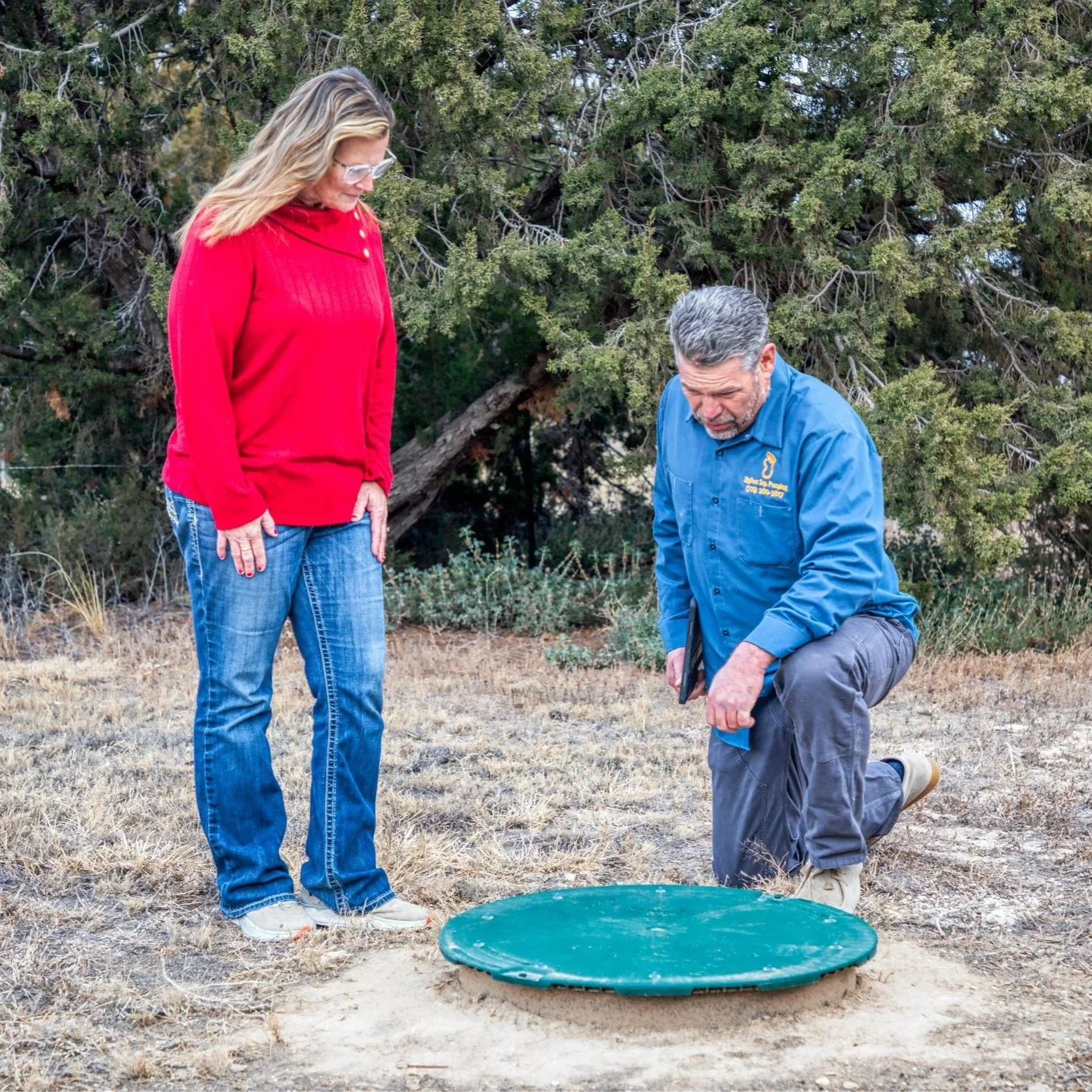
Technician cleaning a septic tank outlet filter to prevent clogs, protect the drain field, and maintain proper wastewater flow.
Septic filter cleaning rarely tops a homeowner's maintenance checklist, yet it quietly prevents some of the most expensive septic failures professionals see in the field. Tucked inside the outlet baffle, the septic filter serves as a final gatekeeper before wastewater enters the drain field. When that filter stays clean and functional, solids remain where they belong, and downstream components operate under balanced conditions. When it becomes clogged or ignored, pressure builds inside the system, flow slows, and damage begins spreading in ways that often get blamed on the drain field or tank instead. Filter replacement and cleaning performed on a routine schedule protect the entire septic system by preventing small issues from turning into disruptive, costly repairs.
Why Septic Filters Matter More Than They Get Credit For
Septic filters are designed to capture fine solids that escape the main settling process in the tank, preventing them from reaching the drain field. By trapping particles before they exit the tank, the filter protects soil absorption areas from clogging and premature failure. A clean filter allows wastewater to pass through at a controlled rate, supporting steady treatment in the drain field trenches. When that balance holds, every part of the system ages evenly and predictably. Once the filter clogs, flow is restricted, pressure rises, and wastewater seeks alternative paths, placing stress on pipes, baffles, and the drain field. Filter replacement and cleaning restore that critical flow control before system-wide consequences develop.
How Septic Filters Gradually Become a Problem
Septic filters do not fail overnight, which is why problems often sneak up on homeowners. Over time, fine solids, grease, and organic debris accumulate on the filter screen during normal system operation. That buildup slowly reduces the amount of liquid that can pass through the outlet. Early restriction often causes no apparent symptoms, allowing the issue to grow unnoticed. As clogging progresses, pressure inside the tank increases, and wastewater movement slows throughout the system. Professional septic services often find heavily clogged filters in systems that otherwise appear well-maintained, highlighting how easily this component gets overlooked.
Why Clogged Filters Trigger System-Wide Stress
A clogged septic filter affects far more than just the tank outlet. As flow slows, wastewater backs up inside the tank, altering retention time and separation efficiency. Solids may remain suspended longer than intended, increasing strain on internal components. Pressure builds throughout the plumbing system, sometimes causing slow drains or intermittent backups inside the home. Downstream, reduced flow leads to uneven distribution and stressed soil conditions. Filter replacement and cleaning relieve this pressure and restore predictable movement through the entire system.
How Filter Issues Mimic Bigger Septic Failures
One of the most frustrating aspects of neglected filter maintenance is the overlap in symptoms with more serious failures. Slow drains, gurgling pipes, and occasional backups often lead homeowners to suspect a failing drain field or tank issues. In many cases, the root cause traces back to a clogged filter restricting flow. Without proper diagnosis, property owners may face unnecessary excavation or major repairs when a professional filter cleaning would have resolved the problem. Experienced septic services continually evaluate filter conditions early in the diagnostic process.
The Role Filters Play In Drain Field Protection
Drain fields rely on clean, evenly distributed wastewater to function correctly. Fine solids that reach the drain field clog soil pores and reduce absorption capacity over time. Once soil becomes compacted with solids, treatment efficiency drops and failure accelerates. Septic filters serve as the last line of defense against that damage. Filter replacement and cleaning protect the drain field by preventing debris from reaching the soil, preserving the soil's absorption capacity, and significantly extending the system's lifespan.
Why Seasonal Use Patterns Increase Filter Risk
Household water use often fluctuates throughout the year, which affects how quickly filters accumulate debris. Periods of heavy use increase the volume of wastewater and solids entering the tank, increasing filter load. Conversely, extended low use can allow solids to dry or harden on the filter surface, making buildup more difficult to remove later. Seasonal changes also affect grease behavior, which can cause it to coat filter screens more aggressively during colder months. Professional filter replacement and cleaning account for these patterns and prevent seasonal stress from causing long-term damage.
How Skipping Filter Maintenance Increases Repair Costs
Neglecting septic filter cleaning almost always increases long-term costs. Restricted flow forces wastewater into areas not designed to handle excess pressure, accelerating wear on pipes, baffles, and seals. Drain field trenches receive uneven loading when flow patterns change, increasing the risk of localized failure. Emergency service calls become more likely as backups or overflows occur without warning. Filter replacement and cleaning are performed on schedule. Avoid these scenarios by addressing the minor point of failure before damage spreads.
Why DIY Filter Cleaning Often Creates More Problems
Septic filter cleaning may seem simple, but improper handling can create new issues. Filters require careful removal to prevent the release of trapped solids back into the outlet pipe. Incorrect reinstallation can misalign the filter, allowing debris to bypass protection entirely. In some cases, homeowners damage filter components or seals during cleaning, reducing effectiveness. Professional septic services use proper techniques and inspection steps during filter replacement and cleaning to maintain system integrity and prevent accidental damage.
Professional Filter Cleaning Versus Filter Replacement
Not every filter issue calls for replacement, but knowing when to clean versus replace requires professional evaluation. Filters with intact structure and manageable buildup typically respond well to thorough cleaning. Cracked housings, damaged screens, or outdated designs often warrant replacement to restore proper protection. Professional filter replacement and cleaning decisions consider system age, usage patterns, and overall condition rather than relying on guesswork. Taking the right action at the right time keeps protection consistent.
How Filter Maintenance Supports Tank Performance
A clean filter helps stabilize septic tank performance by maintaining predictable flow through the outlet. Stable flow allows solids to settle properly and prevents internal turbulence that disrupts separation. Baffles experience less stress when pressure remains balanced. Filter replacement and cleaning indirectly protect the tank by reducing internal strain and minimizing abnormal operating conditions that shorten component life.
The Link Between Filter Issues And Odors
Septic odors often increase when filters become clogged, as gases escape under pressure rather than vent properly. Restricted flow alters gas movement inside the tank, allowing odors to surface near plumbing fixtures or the tank area. These smells frequently get mistaken for venting problems or drain field failure. Cleaning or replacing the filter restores proper flow and pressure balance, reducing odor complaints without invasive repairs.
Why Older Systems Benefit Even More From Filter Maintenance
Older septic systems often lack modern safeguards, making filter performance even more critical. Aging tanks and drain fields tolerate less stress from uneven flow or solids carryover. Filter replacement and cleaning provide added protection for systems already operating closer to their limits. Many older systems gain years of additional service life simply through consistent filter maintenance performed by professionals.
Modern Filter Designs Improve System Protection
Modern septic filters offer greater surface area and debris capture than older designs. Enhanced materials resist clogging longer and clean more easily during maintenance visits. Updated designs also integrate more securely with outlet baffles, reducing bypass risk. Filter replacement with modern components often improves system performance beyond original expectations, especially in high-use households.
Why Professional Scheduling Matters
Filter maintenance timing matters just as much as the service itself. Waiting until symptoms appear often means pressure and damage have already spread. Professional septic services schedule filter replacement and cleaning based on usage, tank size, and household habits rather than arbitrary timelines. That proactive approach keeps maintenance predictable and avoids emergencies that disrupt daily life.
What Professional Filter Cleaning Involves
Professional filter cleaning begins with careful system inspection to assess pressure, buildup level, and component condition. Technicians remove the filter using proper containment methods to prevent debris from being released. Cleaning restores screen permeability without damaging structural integrity. Reinstallation includes alignment checks and flow confirmation to verify proper operation. Filter replacement and cleaning performed this way maintains protection without introducing new risks.
How Filter Maintenance Reduces Emergency Calls
Emergency septic service calls often stem from overlooked maintenance tasks, with filter neglect ranking high among the causes. Backups and slow drains are common on weekends or holidays, when systems are under a heavier load. Routine filter replacement and cleaning reduce these emergencies by maintaining a steady flow and preventing sudden pressure spikes. Predictable maintenance replaces stressful surprises.
Environmental And Health Benefits Of Clean Filters
Clean septic filters help protect soil and groundwater by keeping solids inside the tank, where they are treated. Preventing debris from reaching the drain field reduces contamination risk and supports environmental health. Proper filter maintenance also limits surface pooling and odor issues that affect property use. Filter replacement and cleaning support both system performance and environmental responsibility.
Why Monitoring Filter Condition Matters Long Term
Even with routine service, monitoring filter conditions remains important. Changes in household use, plumbing upgrades, or occupancy shifts affect how quickly filters load. Professional septic services adjust maintenance frequency based on observed conditions rather than assumptions. Ongoing attention keeps protection aligned with actual system demands.
When Filter Issues Signal Bigger Problems
In some cases, repeated filter clogging points to underlying system issues such as excessive solids, grease problems, or improper tank sizing. Professional evaluation identifies these contributing factors before recommending repeated cleaning alone. Filter replacement and cleaning remain part of the solution, but addressing root causes prevents recurring problems and improves overall system health.
FAQs
What does a septic filter do?
A septic filter traps fine solids before wastewater leaves the tank, protecting the drain field from clogging and premature failure.
How often should septic filters be cleaned?
Cleaning frequency depends on system size and household use, but professional evaluation helps set the right schedule.
Can a clogged filter cause backups?
Yes. Restricted flow from a clogged filter often leads to slow drains and backups that mimic larger system failures.
Is filter replacement better than cleaning?
Cleaning works for intact filters, while damaged or outdated filters often benefit from replacement.
Does filter maintenance extend the life of the drain field?
Yes. Preventing solids from reaching the drain field preserves soil absorption and delays costly repairs.