How Tree Root Intrusion Quietly Damages Septic Pipes and Drain Fields
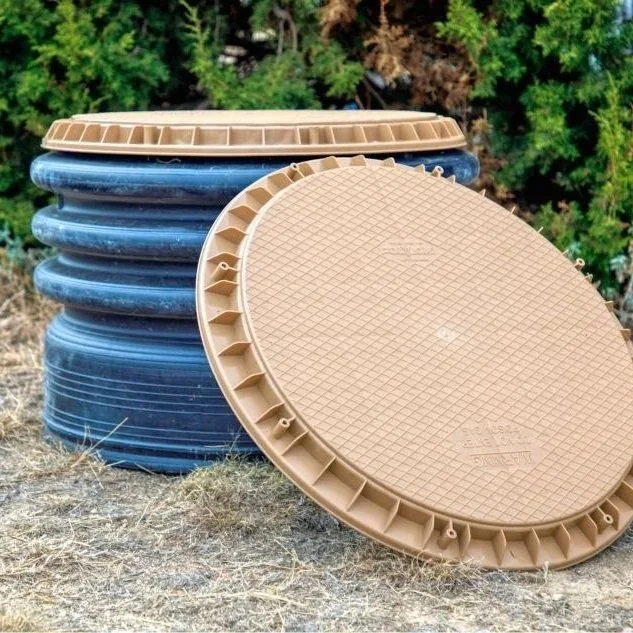
Tree roots infiltrating underground septic pipes and drain field lines, restricting wastewater flow and causing hidden system damage.
Tree roots have an impressive survival instinct, and septic systems often provide exactly what roots seek as they expand underground. Moisture, nutrients, and consistent warmth make septic pipes and drainfield lines desirable targets for growth. Root intrusion rarely causes a dramatic failure right away, allowing damage to develop quietly while the system continues to operate at reduced efficiency. Homeowners may not notice a problem until backups, slow drains, or drain field saturation appear, even though roots may have been interfering with flow for years. Root intrusion removal from pipes or field lines becomes critical once roots begin disrupting wastewater flow, stressing system components that were never designed to withstand aggressive plant growth. Professional septic services regularly uncover extensive root damage in systems that otherwise appeared healthy on the surface.
Why Tree Roots Are Drawn To Septic Systems
Tree roots grow toward reliable sources of moisture and nutrients, and septic systems offer both in abundance. Even properly sealed pipes release trace amounts of moisture into the surrounding soil, which roots detect and follow. Drain field trenches remain consistently damp, creating ideal conditions for fine feeder roots to thrive. As roots encounter joints, seams, or small imperfections in pipes, they exploit these weak points to gain entry. Over time, small root hairs grow into thicker, woody structures that expand and apply pressure from within. Root intrusion removal from pipes or field lines becomes necessary once roots begin interfering with flow or compromising pipe integrity.
How Roots Enter Septic Pipes And Field Lines
Roots rarely break into pipes through brute force alone. Entry typically begins at joints, couplings, or hairline cracks where soil moisture escapes—older pipes with aging seals or outdated materials present especially easy access points. Once inside, roots follow the nutrient-rich wastewater and branch outward, gradually filling pipe interiors. In drain field lines, roots weave through perforations designed for wastewater distribution, eventually obstructing flow and reducing absorption efficiency. Root intrusion removal addresses both the visible blockage and the underlying structural damage that can allow roots to return if left untreated.
Why Root Intrusion Develops Slowly But Causes Serious Damage
Root intrusion rarely creates sudden failure, which makes it especially dangerous. Early stages may involve minor flow restriction, producing no noticeable symptoms. As roots thicken, wastewater movement slows, pressure increases, and solids begin to accumulate in areas not designed to handle them. Pipes experience internal stress as roots expand, leading to cracks, joint separations, or collapse in severe cases. Drain field soil becomes unevenly saturated as roots disrupt distribution patterns. Root intrusion removal from pipes or field lines stops damage progression before gradual interference turns into system-wide failure.
How Root Intrusion Affects Septic Pipe Performance
Roots inside septic pipes interfere with flow in several ways. Thick root masses reduce pipe diameter, slowing wastewater movement and increasing the risk of backups. Irregular root growth creates turbulence that prevents solids from traveling smoothly, allowing debris to settle and accumulate. Pressure builds behind blockages, stressing upstream plumbing and internal tank components. Over time, pipes weaken under constant strain and may begin leaking or shifting. Professional root intrusion removal restores proper pipe capacity and relieves pressure that accelerates wear.
Why Drain Fields Suffer When Roots Take Hold
Drain fields rely on wastewater moving evenly through perforated lines into the surrounding soil. Root intrusion disrupts that balance by blocking perforations and redirecting flow unevenly. Certain areas receive excess wastewater while others dry out, reducing overall treatment efficiency. Saturated soil loses oxygen and compacts, limiting biological activity needed for wastewater treatment. Once roots establish themselves within the drain field lines, soil damage often progresses faster than homeowners expect. Root intrusion removal from pipes or field lines helps preserve drain field performance by restoring proper distribution and absorption.
Why Root Problems Often Mimic Other Septic Failures
Root intrusion often produces symptoms that mimic other septic conditions, making diagnosis challenging without professional evaluation. Slow drains, recurring backups, and surface pooling may indicate drain-field failure or tank issues. In reality, roots may be obstructing flow at a critical point within pipes or field lines. Treating symptoms without addressing root intrusion allows damage to continue unseen. Professional septic services prioritize identifying root involvement before recommending major repairs because root intrusion removal often resolves problems that seem much larger at first glance.
How Soil Conditions Influence Root Intrusion Severity
Soil composition plays a significant role in how aggressively roots invade septic systems. Loose or sandy soils allow roots to travel quickly toward moisture sources. Clay soils crack during dry periods, creating pathways that guide roots toward pipes and trenches. Rocky terrain may force roots to follow installed utilities as the path of least resistance. Local vegetation types also influence risk, as certain trees and shrubs develop particularly invasive root systems. Root intrusion removal strategies often account for soil conditions to reduce recurrence after service.
Why Older Systems Face Higher Root Intrusion Risk
Older septic systems are more vulnerable to root intrusion due to aging materials and construction methods. Clay pipes, concrete joints, and early plastic lines often lack modern sealing technology. Over time, small separations develop that roots can easily exploit. Drain fields installed decades ago may also sit closer to mature trees that have since expanded significantly. Root intrusion removal becomes more common in older systems as roots exploit these aging, weak points.
The Compounding Damage Roots Cause Over Time
Root intrusion rarely remains confined to a single location. As roots expand, they worsen existing cracks and create new ones, increasing the likelihood of soil infiltration and pipe movement. Leaking wastewater softens the surrounding soil, allowing pipes to shift or settle unevenly. Drain field lines experience increasing blockage that spreads across multiple trenches. What begins as a localized root problem often evolves into a multi-component system damage if left untreated. Root intrusion removal interrupts that compounding effect before the repair scope expands dramatically.
Why Chemical Treatments Alone Fall Short
Chemical root treatments may temporarily slow growth, but rarely solve the underlying problem. Chemicals do not repair cracks, joints, or misaligned pipes that allow roots to enter. In many cases, roots return stronger once chemical effects fade. Some treatments also risk harming beneficial soil bacteria or surrounding vegetation. Professional root intrusion removal focuses on physically removing roots and addressing entry points rather than masking symptoms temporarily.
Professional Root Removal Versus DIY Approaches
Home remedies and mechanical snakes often fail to completely remove root systems. Partial removal leaves root bases intact, allowing regrowth within months. Aggressive DIY methods can further damage pipes, worsening leaks and accelerating failure. Professional septic services use specialized equipment designed to remove roots thoroughly while minimizing pipe damage. Root intrusion removal performed by professionals also includes inspection to identify structural vulnerabilities that invite future growth.
How Professionals Prevent Roots From Returning
Successful root intrusion removal involves more than clearing blockages. Professionals evaluate pipe condition, joint integrity, and the surrounding soil environment. Repairs may include sealing joints, reinforcing damaged sections, or adjusting landscaping recommendations near system components. Some situations benefit from installing root barriers or selecting replacement materials less susceptible to invasion. Preventive strategies reduce the likelihood of repeat intrusions and protect long-term system health.
The Impact Of Root Intrusion On Septic Tank Function
Root intrusion downstream indirectly affects septic tank performance. Restricted flow increases retention time and alters separation dynamics inside the tank. Solids may accumulate abnormally, increasing strain on baffles and filters. Pressure fluctuations stress internal components and increase maintenance needs. Root intrusion removal restores downstream flow, stabilizes tank operation, and reduces internal wear caused by backpressure.
Why Early Detection Matters So Much
Early detection of root intrusion dramatically reduces repair costs and disruption. Addressing roots before pipes crack or drain fields saturate preserves system components that remain structurally sound. Waiting until symptoms escalate often means multiple areas have already suffered damage. Professional inspections using cameras or flow testing identify root intrusion early, allowing targeted removal rather than widespread excavation.
How Landscaping Choices Influence Septic Health
Landscaping decisions play a significant role in long-term root intrusion risk. Trees planted too close to septic components inevitably seek out moisture sources as they mature. Some species develop aggressive root systems that pose a higher risk regardless of distance. Professional septic services often advise on safe planting distances and vegetation selection to protect pipes and drain fields. Root intrusion removal combined with smart landscaping adjustments offers lasting protection.
Why Root Intrusion Removal Costs Less Than Major Repairs
Root intrusion removal typically costs far less than pipe replacement or drain field reconstruction. Early intervention limits excavation, preserves existing infrastructure, and avoids emergency service calls. Addressing roots promptly replaces unpredictable repair bills with planned maintenance expenses. For many homeowners, professional root removal is one of the most cost-effective septic services available.
Environmental And Health Considerations
Root-damaged pipes may leak untreated wastewater into the surrounding soil, increasing the risk of contamination. Uneven drain field performance allows wastewater to surface or migrate beyond intended treatment zones. These conditions affect groundwater quality and create potential health concerns. Root intrusion removal restores proper containment and treatment pathways, protecting both property and the surrounding environment.
When Root Damage Signals Bigger Structural Issues
In some cases, extensive root intrusion reveals deeper structural problems, such as collapsed pipes or severely compromised drainfield lines. A professional evaluation determines whether removal alone will restore function or whether additional repairs are required. Identifying these limits early prevents repeated interventions and helps property owners make informed decisions about system rehabilitation.
Why Ongoing Monitoring Helps Prevent Repeat Issues
Even after successful root intrusion removal, monitoring remains important. Roots continue growing, and soil conditions evolve. Routine inspections help detect early regrowth before it causes renewed damage. Professional maintenance plans often include periodic evaluations of high-risk areas to keep intrusions under control.
FAQs
How do tree roots get into septic pipes?
Roots enter through joints, cracks, or small imperfections where moisture escapes into the surrounding soil.
Can root intrusion damage drain fields as well as pipes?
Yes. Roots block perforations in drain field lines and disrupt wastewater distribution, reducing absorption efficiency.
Will chemical root treatments permanently fix the problem?
Chemical treatments may temporarily slow growth, but do not repair entry points or prevent long-term regrowth.
How often should septic systems be checked for root intrusion?
Inspection frequency depends on vegetation, system age, and soil conditions, but professional evaluation every few years helps catch issues early.
Is root intrusion removal expensive?
Removal costs are generally modest compared to pipe replacement or drain field repair, especially when addressed early.