
The Hidden Damage a Failed Distribution Box Causes Inside a Septic System
A distribution box rarely gets attention until something goes wrong, yet it plays a critical role in keeping an entire septic system balanced. Hidden underground and quietly doing its job, the distribution box directs wastewater evenly from the septic tank into the drain field lines. When that balance breaks down, damage spreads in ways that are not immediately visible from the surface. A system can appear healthy from the outside while internal components struggle under uneven flow and mounting stress. Distribution box replacement often becomes necessary not because the tank failed or the drain field reached the end of its life, but because a single overlooked component disrupted everything downstream. Professional septic services frequently see otherwise sound systems deteriorate simply because the distribution box stops functioning as designed.
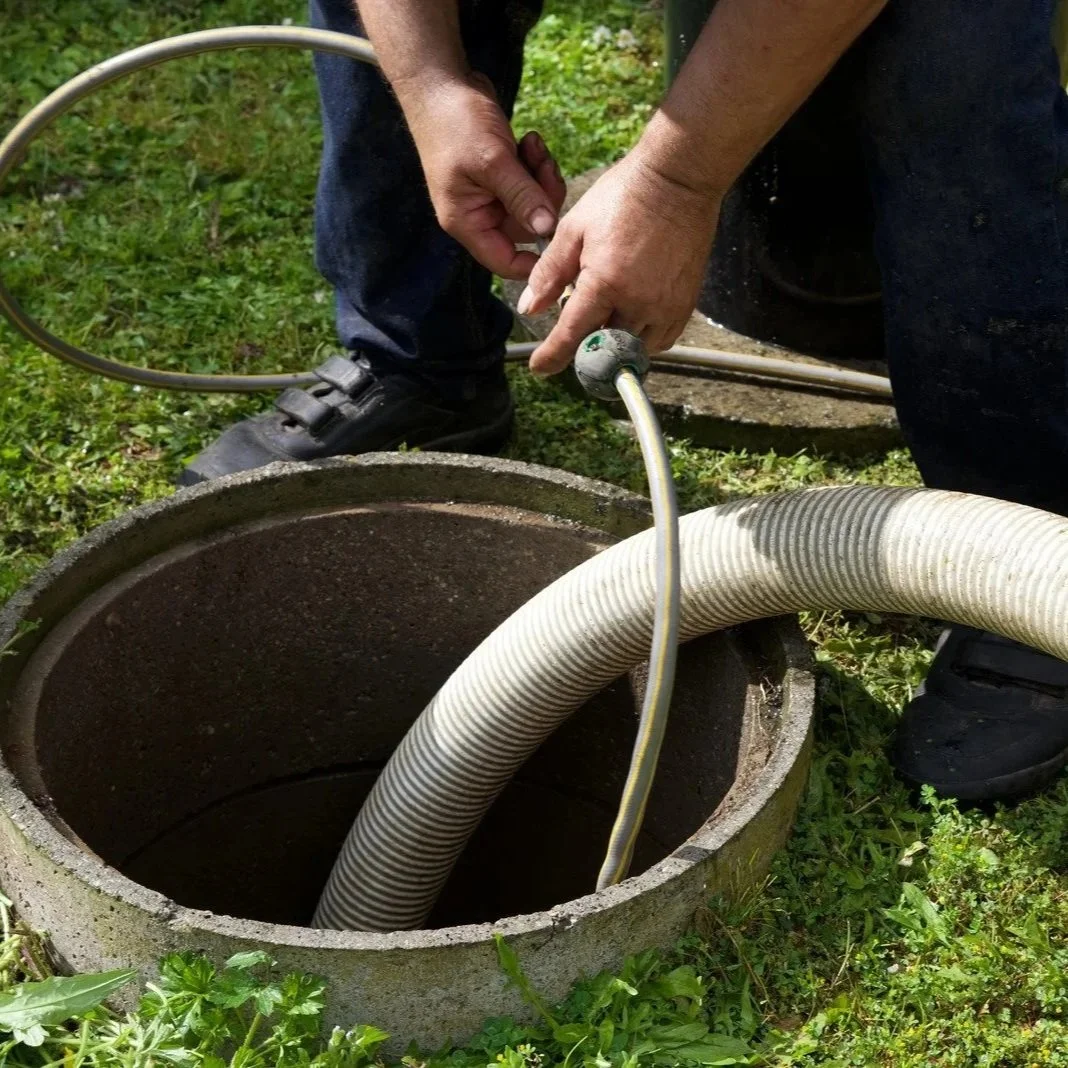
Technician servicing a septic system, inserting pumping hose into access port, performing routine maintenance to protect drainage performance and longevity.
Why The Distribution Box Matters More Than Most People Realize
The distribution box functions as the traffic controller of a septic system, evenly distributing wastewater to multiple drain field lines so no single section becomes overloaded. Proper distribution allows soil to gradually absorb and treat wastewater, extending the life of the drain field and maintaining stable system performance. When the distribution box works correctly, each trench receives a balanced share of effluent, preventing saturation and soil compaction. Once that balance is lost, one area begins to carry more than its share, while others remain underused. Distribution box replacement restores that balance and protects the drain field from uneven wear, which shortens the system's lifespan.
How Distribution Boxes Fail Over Time
Distribution boxes fail gradually, which makes problems easy to miss until damage becomes advanced. Soil movement can cause boxes to tilt or sink, altering flow paths within the chamber. Freeze-thaw cycles stress concrete boxes, leading to cracks or crumbling edges that disrupt internal channels. Plastic boxes may warp or shift if the surrounding soil support weakens. In many cases, failure does not involve total collapse but subtle misalignment that redirects flow unevenly. Distribution box replacement becomes necessary when those changes prevent proper flow control and allow damage to spread unchecked.
Why A Failed Distribution Box Targets The Drain Field First
Drain fields absorb the consequences of distribution box failure long before surface symptoms appear. When wastewater flows toward one outlet over others, certain trenches receive more liquid than the soil can absorb. Saturated soil loses its ability to treat wastewater effectively, leading to reduced absorption and early failure. Meanwhile, underused trenches dry out and lose biological activity that supports treatment. Distribution box replacement reestablishes even flow, preventing localized drain field failure that often gets mistaken for total drain field collapse.
How Uneven Flow Creates Compounding Damage
Uneven flow does more than overload a single trench. Saturated areas compress soil particles, reducing pore space and limiting oxygen availability. That environment slows biological treatment and encourages solids to accumulate closer to the surface. As absorption capacity declines, wastewater backs up within the system, increasing pressure throughout the drain field network. Over time, pipes, joints, and surrounding soil all experience added strain. Replacing the distribution box interrupts this cycle before compounding damage spreads across the entire drain field.
Why Surface Symptoms Appear Late In The Process
One of the most frustrating aspects of distribution box failure is the delayed onset of surface symptoms. Grass may remain green and lush for months while damage develops below. Odors and soggy soil often appear only after significant saturation has already occurred. By the time surface indicators show up, one or more drain field lines may already be compromised. Professional septic services rely on internal inspection and flow evaluation rather than relying solely on surface clues. Early distribution box replacement prevents homeowners from discovering the problem only after costly damage has already taken hold.
Impact On Septic Tank Performance
Distribution box failure also affects septic tank behavior in subtle but important ways. As downstream resistance increases, wastewater movement slows, altering retention time inside the tank. Solids may not separate as effectively, increasing the risk of carryover into the drain field. Internal tank components, such as baffles, experience abnormal flow patterns that accelerate wear. Distribution box replacement helps restore predictable downstream flow, stabilizes tank performance, and protects internal components from secondary damage.
Why Distribution Box Problems Often Mimic Drain Field Failure
Many homeowners assume drain field failure when backups or surface pooling occur, yet distribution box issues often cause the same symptoms. Uneven distribution creates localized failure that spreads outward, making it appear as though the entire field has reached the end of its life. Without proper diagnosis, property owners may face unnecessary drain field replacement when distribution box replacement would have resolved the issue earlier. Professional septic services prioritize identifying distribution issues before declaring drain field failure, thereby avoiding high costs and disruption.
How Soil Conditions Influence Distribution Box Stability
Soil conditions play a major role in the longevity of distribution boxes. Expansive clay soils swell when wet and shrink when dry, causing boxes to shift or tilt over time. Sandy soils may erode around the box, reducing support and allowing it to move. Poor drainage compounds both issues by introducing excess moisture that destabilizes the surrounding area. Distribution box replacement often includes soil stabilization or bedding improvements to prevent repeat failures and protect long-term system balance.
Why Temporary Adjustments Rarely Solve The Problem
Temporary fixes, such as shimming a tilted box or manually redirecting flow, often fail to deliver lasting results. These approaches do not address underlying soil movement or structural damage. Over time, the box continues to shift, and uneven flow returns. Distribution box replacement provides a permanent solution by correcting alignment, restoring proper elevation, and rebuilding stable support. Professional installation eliminates the guesswork that leads to repeated service calls and ongoing system stress.
The Connection Between Distribution Box Failure And Premature System Aging
A failed distribution box accelerates aging across the septic system. Components designed to last decades face increased stress when flow patterns become unpredictable. Drain field trenches wear unevenly, pipes experience added pressure, and soil treatment capacity declines faster than expected. Distribution box replacement slows system aging by restoring balanced operation and reducing strain on every downstream component.
Why Older Systems Face Higher Risk
Older septic systems often face a higher risk of distribution box failure due to outdated materials and installation practices. Early designs may lack proper bedding or stabilization, making boxes more vulnerable to soil movement. Aging concrete becomes brittle and prone to cracking. Distribution box replacement modernizes a critical component without requiring full system replacement, extending service life and improving reliability.
Modern Distribution Box Designs Improve Performance
Modern distribution box designs offer improved durability and flow control compared to older models. Updated materials resist cracking and maintain alignment under changing soil conditions. Improved outlet configurations promote more consistent flow across all drain field lines. Replacing distribution boxes with modern designs often improves system performance beyond expectations, delivering more predictable treatment and easier maintenance.
Why Professional Diagnosis Makes The Difference
Identifying distribution box failure requires more than visual inspection. Flow testing, elevation checks, and system history all inform accurate diagnosis. Professional septic services evaluate how wastewater moves through the system under real conditions, revealing imbalances that surface inspections miss. Distribution box replacement decisions based on professional assessment prevent misdiagnosis and unnecessary repairs.
What Distribution Box Replacement Involves
Professional distribution box replacement begins with careful excavation and inspection of the surrounding soil and pipes. Technicians assess elevation, outlet condition, and trench alignment before selecting replacement components. The new box is installed on a stable base designed to resist movement. Flow is tested and adjusted to confirm even distribution before backfilling. Correctly performing distribution box replacement restores balance and prevents repeat issues.
Why Timing Matters With Distribution Box Replacement
Timing plays a critical role in limiting damage caused by distribution box failure. Early replacement prevents localized drain field damage from spreading into broader system failure. Waiting allows soil saturation and trench overload to progress beyond repairable limits. Professional septic services emphasize timely intervention because replacement costs rise sharply once drain field damage becomes widespread.
Environmental And Health Considerations
Failed distribution boxes increase the risk of untreated wastewater reaching surface soil or groundwater. Uneven absorption allows contaminants to travel farther than intended, increasing exposure risks. Distribution box replacement restores proper treatment pathways, protecting environmental quality and reducing health concerns associated with septic failure.
Cost Benefits Of Addressing Distribution Box Failure Early
Distribution box replacement costs far less than drain field reconstruction or complete system replacement. Early action preserves functional trenches and minimizes excavation. Property owners who address distribution issues promptly avoid emergency repairs and unpredictable downtime. Predictable maintenance replaces costly surprises.
Why Monitoring After Replacement Still Matters
Even after a successful distribution box replacement, monitoring remains important. Soil conditions continue to change, and system use patterns evolve over time. Routine inspections confirm balanced flow and identify early signs of shifting before damage develops again. Professional maintenance supports long-term system stability.
When Replacement Is No Longer Enough
In advanced cases, distribution box failure may coincide with severe damage to the drain field. When multiple trenches fail due to prolonged uneven flow, replacement alone may not restore full function. Professional guidance helps determine whether additional rehabilitation is required. Recognizing limits early prevents wasted effort and escalating costs.
Why A Healthy System Depends On Hidden Components
Septic systems rely on components that rarely get attention until they fail. The distribution box sits quietly at the center of that network, shaping how every downstream component performs. Distribution box replacement protects the system by addressing a hidden weakness before it causes visible failure. Professional attention to this often-overlooked component preserves system health and significantly extends service life.
FAQs
What does a distribution box do in a septic system?
A distribution box evenly directs wastewater from the septic tank into multiple drain field lines to prevent overloading.
How can I tell if my distribution box has failed?
Uneven drain field saturation, recurring backups, or inspection findings often point to distribution box issues.
Can a failed distribution box damage the drain field?
Yes. Uneven flow overloads specific trenches, leading to soil saturation and early drain field failure.
Is the distribution box replacement expensive?
Replacement costs are relatively modest compared to drain field or system replacement, especially when addressed early.
How long does a new distribution box typically last?
With proper installation and stable soil conditions, modern distribution boxes often last decades.
Keep your residential septic system in top-shape with professional septic tank pumping & cleaning, septic system repair & maintenance, septic system inspections, septic components & upgrades, and other septic services from Bigfoot Septic. Serving Penrose, CO, our team is committed to get the job done right the first time. Get your free quote today.
