
Cracked Septic Risers and Lids Create Bigger Problems Than You Think
Cracked septic risers and lids often look like minor surface flaws, which makes them easy to ignore. A hairline fracture or a lid that no longer sits flush rarely triggers urgency, especially when the system still appears to function normally. Unfortunately, risers and lids protect one of the most vulnerable points of a septic system: direct access to the tank. When these components fail, problems extend far beyond appearance. Riser and lid repair or replacement becomes a matter of safety, system performance, and long-term cost control rather than cosmetic improvement.
Risers extend septic access points closer to ground level, while lids seal those openings against the outside world. Together, they regulate what enters and exits the tank environment. Cracks compromise that control, allowing water, debris, and gases to move in directions they shouldn't. Professional septic services treat damaged risers and lids as structural concerns because the consequences often ripple through the entire system.
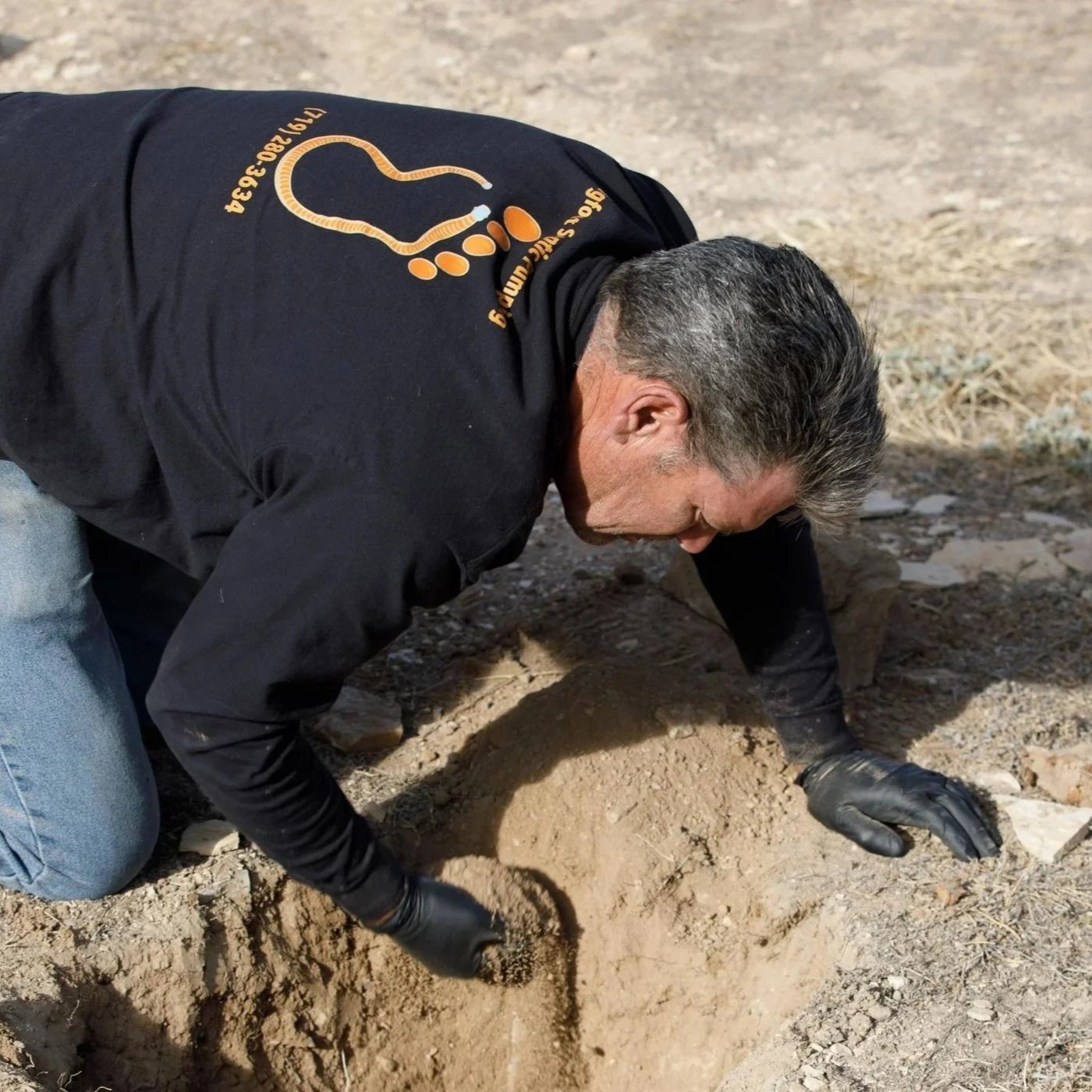
Technician carefully excavating soil to inspect underground septic components, ensuring accurate diagnostics, proper repairs, and long-term system reliability.
Why Septic Risers And Lids Play Such A Critical Role
Septic risers and lids form the boundary between a controlled treatment environment and everything happening above ground. A properly sealed riser and lid prevent rainwater, irrigation runoff, insects, soil, and surface debris from entering the tank. They also keep hazardous gases contained while allowing safe access for inspections and pumping.
When cracks develop, that barrier weakens. Excess water enters the tank, disrupting standard processing. Debris accelerates sludge buildup and interferes with internal components. Gas escapes in places it should not, creating odor and safety issues. Riser and lid repair or replacement restores that boundary and allows the rest of the system to function as intended.
How Cracks Form And Why They Worsen Over Time
Cracks in risers and lids usually develop gradually due to repeated environmental stress. Freeze-thaw cycles cause expansion and contraction that weaken concrete and plastic materials. Seasonal ground movement shifts weight unevenly around access points, creating stress fractures. Lawn equipment, foot traffic, and vehicles passing too close repeatedly apply pressure that risers and lids were never designed to handle.
Once cracking begins, damage rarely stays static. Water enters small fractures and expands during freezing temperatures, widening gaps. Soil erosion around the riser removes support, allowing further movement. What starts as a surface issue often becomes a structural problem that worsens each season without intervention.
Water Intrusion And Its Impact On Septic Performance
One of the most damaging consequences of cracked risers and lids involves water intrusion. Rainwater and irrigation runoff flow directly into the tank through compromised seals and fractures. That extra volume overwhelms the system, reducing the time wastewater spends in the tank for proper separation.
Shortened retention time prevents solids from settling effectively. Sludge and scum layers mix more easily, increasing the risk of solids exiting the tank. Riser and lid repair or replacement prevents unnecessary water from entering the system and protects downstream components from overload and premature failure.
Debris And Soil Contamination Inside The Tank
Cracked access points allow soil, sand, mulch, and organic debris to fall directly into the septic tank. Over time, this material increases sludge levels and reduces effective tank capacity. Pumping becomes more frequent, and internal components are subjected to increased strain.
Debris also interferes with baffles and effluent filters, increasing the likelihood of clogging and misdirected flow. Professional septic inspections often trace early baffle failure or filter problems back to damaged risers and lids that allowed contaminants inside the tank.
Safety Risks That Extend Beyond The System
Damaged risers and lids create real safety hazards for people and pets. A cracked or unstable lid can shift unexpectedly, creating fall risks. Septic tank openings expose individuals to dangerous gases and confined space hazards that can cause serious injury or worse.
Professional riser and lid repair or replacement restores secure access points that protect property occupants and visitors. Properly fitted lids reduce liability concerns while supporting safe maintenance practices.
Odor Problems Linked To Compromised Access Points
Septic odors frequently escape through cracked lids and poorly sealed risers. Gases that should vent through the plumbing system instead seep into yards, basements, or near living spaces. Odors often intensify during warm weather or periods of heavy water use.
Replacing damaged risers and lids restores proper gas containment and reduces odor complaints. Professional sealing techniques prevent leaks while maintaining a safe pressure balance inside the tank.
Structural Stress On The Tank Itself
Cracked risers and lids often lead to uneven pressure around the tank opening. Soil erosion creates voids that shift weight onto the tank walls rather than distributing it evenly. Over time, that uneven stress increases the risk of tank cracking or joint separation.
Riser and lid repair or replacement stabilizes the access point and surrounding soil. Protecting the tank structure avoids repairs that far exceed the cost of addressing access components early.
Why Temporary Fixes Rarely Solve The Problem
Temporary measures like surface patching or weighting lids down often create a false sense of confidence. Materials not designed for septic environments degrade quickly under constant moisture and gas exposure. Added weight frequently worsens cracking rather than stopping it.
Professional septic services replace damaged components with materials designed to withstand environmental stress. Proper installation and sealing prevent repeat failures and protect system integrity.
Maintenance Challenges Caused By Cracked Risers And Lids
Routine septic maintenance becomes more difficult and hazardous when access points are damaged. Technicians face higher safety risks when opening unstable lids. Pumping and inspections take longer and may require additional precautions or excavation.
Riser and lid repair or replacement simplifies future maintenance by providing safe, stable access—reducing labor time and improving safety for both service providers and property owners.
Why Older Systems Face Greater Risk
Older septic systems often have shallow or poorly sealed access points. Concrete lids deteriorate with age, and early riser designs lack reinforcement found in modern systems. These components crack more easily under environmental stress.
Upgrading risers and lids on older systems improves durability and brings access points closer to current safety standards. Professional replacement often extends system life significantly while reducing recurring issues.
Modern Materials Provide Better Long-Term Protection
Modern riser and lid designs use reinforced concrete or durable plastic materials engineered for septic environments. Improved sealing systems resist water intrusion and gas leakage more effectively than older designs.
Professional riser and lid repair or replacement selects materials compatible with existing tanks while maximizing longevity. Upgraded components reduce maintenance frequency and improve system reliability.
Indirect Protection For The Drain Field
Although risers and lids sit in the tank, their condition indirectly affects the drain field. Water intrusion and debris contamination increase solids movement through the system. Once solids reach the drain field, soil pores clog and absorption slows.
Replacing cracked risers and lids helps protect the drain field performance by maintaining proper treatment stages. Preventive action at the access point often avoids costly downstream repairs.
Environmental And Health Implications
Compromised septic access points increase the risk of environmental contamination. Untreated wastewater may escape near the surface, affecting soil quality and nearby water sources. Bacteria and nutrients spread more easily when containment fails.
Professional riser and lid repair or replacement restores containment and reduces contamination risk. Protecting the environment also protects property value and community health.
Why Professional Evaluation Matters
Determining whether a riser or lid needs repair or full replacement requires more than a glance. Structural integrity, seal condition, soil stability, and system behavior all influence the decision. Professional septic technicians evaluate these factors together.
That comprehensive assessment prevents unnecessary replacement while avoiding dangerous delays. Riser and lid repair or replacement decisions grounded in system performance deliver better long-term outcomes.
What Professional Replacement Actually Involves
Professional replacement begins with careful removal of damaged components. Technicians inspect the tank opening and the surrounding soil for additional issues. New risers and lids are selected based on tank size, depth, and usage demands.
Installation includes precise alignment, secure sealing, and stabilization of the surrounding soil. Final checks confirm proper fit and safe access. Attention to detail during installation prevents future cracking and leakage.
Long-Term Cost Benefits Of Acting Early
Addressing cracked risers and lids early reduces long-term expenses. Preventing water intrusion lowers pumping frequency and protects internal components. Reducing safety hazards limits liability risk.
Riser and lid repair or replacement costs far less than tank replacement or drain field restoration. Timely action keeps septic ownership predictable instead of reactive.
When Replacement Is No Longer Optional
Replacement becomes necessary when cracks compromise structural integrity or sealing ability. Lids that shift, risers that crumble, or repeated water intrusion indicate repair has reached its limit.
Professional guidance helps property owners act before damage spreads. Waiting usually increases the scope and cost of repairs.
FAQs
What causes septic risers and lids to crack?
Freeze-thaw cycles, ground movement, aging materials, and surface pressure commonly cause cracking over time.
Can cracked septic lids be dangerous?
Cracked or loose lids create fall hazards and expose people and pets to dangerous gases.
Does replacing risers and lids help reduce septic odors?
Proper replacement restores sealing and limits gas leakage from the tank.
How long do septic risers and lids usually last?
Lifespan varies by material and conditions, but modern replacements often last decades when installed correctly.
Should risers and lids be checked during routine septic maintenance?
Yes. Inspections should always include checking the riser and lid for early signs of damage.
Keep your residential septic system in top-shape with professional septic tank pumping & cleaning, septic system repair & maintenance, septic system inspections, septic components & upgrades, and other septic services from Bigfoot Septic. Serving Penrose, CO, our team is committed to get the job done right the first time. Get your free quote today.
