
Septic System Repair and Maintenance That Helps Pueblo West, CO, Homes Avoid Seasonal Failures
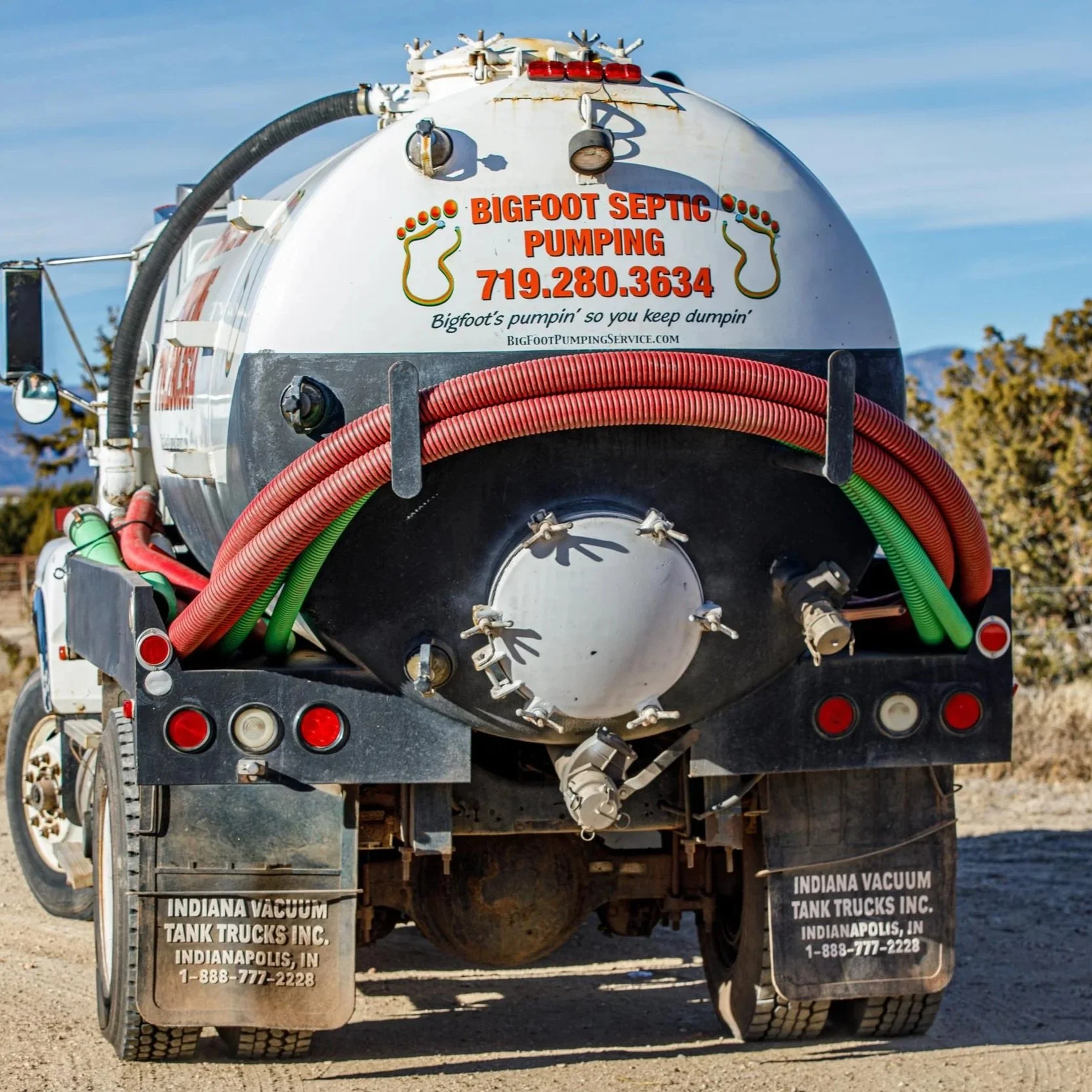
Bigfoot Septic Pumping truck equipped with high-capacity hoses, delivering professional septic pumping, maintenance, and reliable wastewater services.
Life in Pueblo West, CO, brings wide temperature swings, clay-heavy soil, and seasonal moisture changes that quietly test septic systems year after year. Many homeowners only think about septic repair when drains slow or unpleasant odors appear, but seasonal stress often begins long before obvious warning signs appear. Professional septic system repair and maintenance focuses on spotting early vulnerabilities, correcting minor issues, and keeping systems stable through changing conditions. When handled properly, septic care becomes a preventive service rather than an emergency response.
Septic systems operate out of sight, which makes them easy to overlook until something goes wrong. Seasonal shifts amplify existing weaknesses, such as compacted soil, aging components, or inconsistent drainage patterns. Professional service providers understand how Pueblo West soil composition, groundwater movement, and temperature fluctuations interact with septic systems. That regional knowledge shapes smarter maintenance plans and targeted repairs, reducing surprise breakdowns.
Understanding Seasonal Septic Stress In Pueblo West, CO
Pueblo West experiences dry periods followed by sudden moisture increases, which put pressure on drain fields and tanks. During dry spells, soil contracts and hardens, which restricts natural absorption. When moisture returns, compacted soil struggles to efficiently disperse wastewater. Septic systems that already have minor blockages or aging components face greater stress under these conditions.
Cold snaps also affect septic performance. Low temperatures can thicken waste materials, slow bacterial activity, and stress pipes that lack proper depth or insulation. Seasonal septic system repair and maintenance addresses these factors proactively rather than waiting for backups or surface pooling to occur. Professional technicians evaluate how systems respond throughout the year and adjust maintenance schedules accordingly.
Early Signs Of Seasonal Septic Trouble
Seasonal septic failures rarely appear without warning. Slow-draining sinks, gurgling sounds, and inconsistent toilet flushing often signal developing issues. During wetter months, standing water near the drain field or patches of unusually green grass may indicate poor absorption. Odors around the tank or yard often suggest ventilation or bacterial imbalance problems.
Professional septic system repair services recognize how seasonal timing influences these symptoms. A slow drain during the spring thaw carries different implications than one appearing during the summer heat. Identifying the cause rather than reacting to the symptom prevents recurring problems that frustrate homeowners and strain system components.
Why Maintenance Prevents Costly Repairs
Routine septic system maintenance reduces the likelihood of emergency repairs that disrupt daily life. Scheduled inspections identify sludge buildup, minor leaks, and developing blockages before they escalate. Maintenance also includes monitoring bacterial health, which plays a central role in efficiently breaking down waste.
Professional maintenance plans adapt to seasonal demands rather than a one-size-fits-all approach. In Pueblo West, technicians often recommend adjustments before winter cold or after periods of heavy rainfall. That timing allows systems to handle environmental changes with less strain, lowering long-term repair costs and extending system lifespan.
Drain Field Health And Seasonal Performance
The drain field serves as the final stage of wastewater treatment, making its condition critical year-round. Seasonal soil movement, root intrusion, and compaction directly affect drain field efficiency. Professional septic system repair and maintenance focus on preserving proper drainage patterns and preventing saturation.
Technicians assess soil absorption rates, check distribution lines, and monitor surface conditions for early warning signs. Addressing small issues, such as uneven flow or soil compression, prevents widespread drain-field failure that often requires extensive excavation. Maintaining the drain field's health also protects nearby groundwater and the surrounding property areas.
Septic Tank Repairs That Support Seasonal Stability
Septic tanks endure constant use while facing seasonal stress from temperature changes and soil movement. Cracks, deteriorating baffles, and corroded lids often worsen during freeze-thaw cycles. Professional septic repair services address structural issues before seasonal shifts magnify damage.
Tank repairs may involve sealing minor cracks, replacing worn components, or adjusting access points to improve safety during maintenance. These targeted repairs stabilize tank performance and reduce the risk of leaks or backups during high-demand periods. Seasonal stability depends heavily on tank integrity and proper flow regulation.
Pumping Schedules Tailored To Pueblo West Homes
Septic pumping plays a vital role in seasonal maintenance planning. Pumping removes excess sludge that restricts bacterial activity and flow capacity. In Pueblo West, pumping schedules often vary based on household size, usage habits, and soil conditions.
Professional septic maintenance providers evaluate tank levels and recommend pumping intervals that align with seasonal needs. Pumping before winter or before anticipated heavy water usage prepares systems to handle added stress. Proper timing reduces strain on drain fields and minimizes odor issues that often surface during seasonal transitions.
Protecting Pipes And Connections From Seasonal Damage
Pipes connecting the home to the septic tank are constantly subjected to shifting soil and temperature changes. Seasonal movement can loosen joints, create small leaks, or alter pipe alignment. Professional septic system repair services include inspecting these connections for early signs of wear.
Repairing minor pipe issues prevents groundwater infiltration during wet seasons and reduces the risk of misalignment-related blockages. Addressing these vulnerabilities improves system performance and reduces the risk of sudden failures during peak usage periods.
Managing Water Usage For Seasonal Balance
Water usage patterns change with the seasons, placing different demands on septic systems. Summer irrigation, guest visits, and holiday gatherings increase wastewater volume. Professional septic maintenance includes guidance on managing water flow to avoid overwhelming the system.
Service providers may recommend staggered appliance use, water-saving fixtures, or minor system upgrades to improve flow efficiency. These adjustments help septic systems handle seasonal surges without compromising performance or risking backups.
Bacterial Balance And Seasonal Efficiency
Healthy bacteria drive septic system function by breaking down waste materials. Seasonal temperature changes influence bacterial activity levels, especially during colder months. Professional septic maintenance includes monitoring bacterial balance and addressing conditions that hinder decomposition.
Technicians may recommend treatments or adjustments that support bacterial performance without disrupting system chemistry. Maintaining a balanced bacterial environment keeps waste processing efficient and reduces the buildup that leads to odors or blockages during seasonal shifts.
Soil Conditions And Their Role In Septic Performance
Pueblo West soil presents unique challenges due to its density and drainage characteristics. Seasonal changes in moisture alter soil absorption capacity, affecting how wastewater disperses from the drain field. Professional septic system repair and maintenance accounts for these variables through targeted inspections.
Technicians evaluate soil saturation, compaction, and drainage patterns to identify emerging risks. Adjustments may include improving surface grading, redirecting runoff, or addressing compaction issues that limit absorption. These proactive measures protect septic systems from seasonal overload.
Preventing Emergency Septic Failures
Emergency septic failures often occur when small issues compound under seasonal stress. Professional maintenance reduces the likelihood of sudden breakdowns by addressing problems early. Preventive care saves homeowners from unexpected expenses, property damage, and disruptions to daily routines.
Regular service visits allow technicians to track system performance trends and adjust maintenance plans accordingly. That continuity builds a clearer picture of how systems respond to Pueblo West seasonal conditions year after year.
Long-Term Benefits Of Professional Septic Care
Professional septic system repair and maintenance support long-term system reliability. Systems that receive consistent care experience fewer failures, higher efficiency, and longer lifespans. Homeowners also benefit from improved property value and reduced environmental impact.
Working with experienced septic professionals provides access to regional knowledge and advanced diagnostic tools. That expertise leads to more accurate repairs and maintenance strategies tailored to Pueblo West conditions.
Choosing A Septic Service Provider In Pueblo West, CO
Selecting a septic service provider involves more than checking availability. Local experience matters when addressing seasonal challenges unique to Pueblo West. Providers familiar with regional soil and climate conditions, as well as regulatory requirements, offer more effective solutions.
Professional septic companies prioritize clear communication, thorough inspections, and proactive maintenance recommendations. Building a relationship with a trusted provider creates peace of mind and reduces the stress associated with septic ownership.
FAQs
How often should septic systems receive maintenance in Pueblo West, CO?
Maintenance frequency depends on household size, system age, and usage patterns. Many Pueblo West homes benefit from annual inspections paired with pumping every three to five years. Seasonal factors may prompt adjustments to that schedule.
What causes septic problems to appear during seasonal changes?
Temperature shifts, soil movement, and moisture fluctuations add stress to septic components. Minor issues often worsen during these periods, leading to noticeable symptoms like slow drains or odors.
Can seasonal septic maintenance reduce repair costs?
Preventive maintenance addresses small issues before they escalate into major repairs. Homeowners often spend less over time by scheduling regular inspections and timely pumping rather than responding to emergencies.
Why does drain field performance change with the seasons?
Soil absorption rates vary with moisture levels and temperature. Compacted or saturated soil struggles to effectively disperse wastewater, which can affect drain field performance during wet or cold seasons.
Is professional septic care necessary for newer systems?
Newer systems still face seasonal stress and benefit from routine inspections. Early maintenance helps preserve system integrity and identifies potential issues related to installation or soil conditions.
Get fast, dependable, and professional solutions for your residential and commercial wastewater systems with Bigfoot Septic. We offer septic tank pumping and cleaning, grease trap cleaning, septic system inspections, septic system repair & maintenance, and sewer line cleaning and clog removal in Penrose, CO. Call now to get solutions that you can trust.
