
Septic Diagnostics Explained Without the Guesswork or Scare Tactics
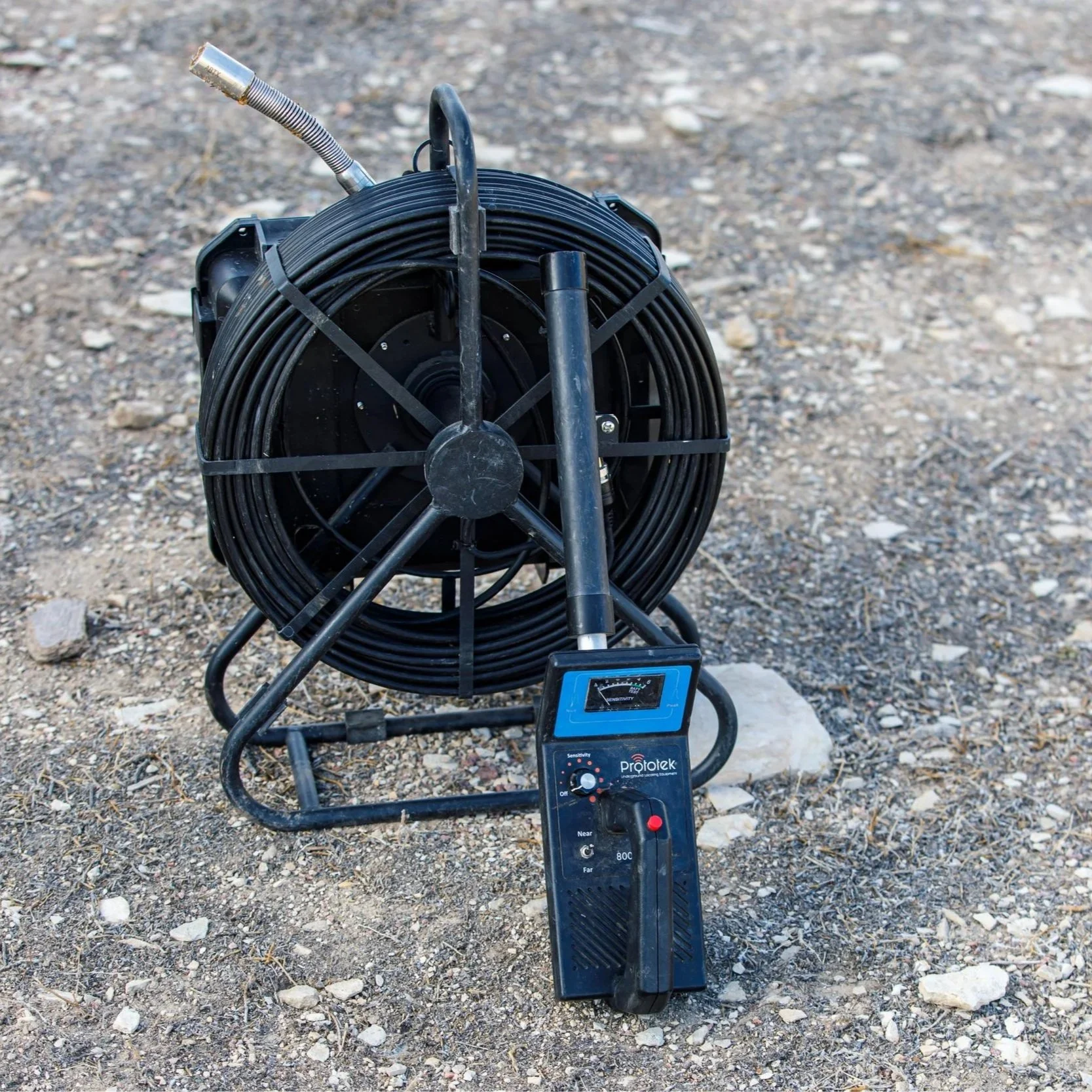
Professional plumbing inspection camera and cable reel used for sewer diagnostics, line inspections, blockages detection, and accurate underground assessments services.
Septic systems tend to inspire unnecessary fear because most of their operation happens underground and out of sight. When something feels off, many homeowners brace for worst-case scenarios fueled by vague advice or dramatic online warnings. Septic system troubleshooting and diagnostics exist to replace that anxiety with clarity. The process relies on measured observations, system knowledge, and real data rather than speculation. When handled correctly, the experience feels informative and reassuring instead of stressful or intimidating.
Every septic system communicates its condition through subtle changes long before major problems appear. Slower drainage, unusual sounds, or shifting yard conditions all tell part of the story. A structured diagnostic approach connects those signals into a clear explanation of what is happening and why. Understanding those signals helps homeowners make informed decisions without pressure or panic.
What Septic Diagnostics Actually Involves
Septic diagnostics examines how the entire system functions as a connected unit rather than isolating individual parts. Tanks, pipes, drain fields, soil conditions, water usage, and ventilation all influence performance. The process begins with careful observation and verification instead of assumptions. The goal is to understand cause and effect rather than jump straight to repair recommendations.
Visible symptoms only tell part of the story. Internal conditions such as liquid levels, flow behavior, component condition, and soil absorption provide deeper insight. Septic system troubleshooting and diagnostics explain why symptoms appear rather than offering generic solutions. That clarity allows repairs to stay focused and proportional to the actual problem.
Why Guesswork Creates Unnecessary Costs
Guessing often leads to treating symptoms instead of addressing the real issue. Pumping a tank may temporarily improve drainage while leaving the drain field saturation untouched. Chemical additives might temporarily reduce odors while disrupting the bacterial balance in the tank. Short-term relief often gives a false sense of resolution.
A fact-based evaluation eliminates that cycle by identifying the true source of trouble. Accurate findings prevent unnecessary services and repeat visits. Addressing the correct issue once almost always costs less than chasing symptoms over time. Clear insight saves money, time, and frustration.
Early Warning Signs Worth Paying Attention To
Septic systems rarely fail without warning, but early signs tend to appear quietly and inconsistently. Slow drains across multiple fixtures often indicate restricted flow or reduced processing capacity. Gurgling sounds suggest pressure imbalance or ventilation restrictions. Odors indicate bacterial disruption, leaks, or airflow issues.
These signs carry more meaning when evaluated together rather than in isolation. A slow drain during heavy rain may point to different causes than a slow drain during a dry period. Frequency, timing, and severity all matter. Context allows professionals to distinguish between temporary stress and developing system problems.
Tank Levels Provide Valuable Clues
Liquid levels inside the septic tank reveal a great deal about overall performance. High levels often indicate restricted outflow or drain field issues that prevent wastewater from dispersing properly. Unexpectedly low levels may suggest leaks, cracks, or structural damage within the tank.
Measuring tank levels and assessing inlet and outlet behavior helps identify imbalances early. Balanced levels allow waste to separate and process correctly. Correcting these conditions protects internal components and reduces stress throughout the system, long before backups are needed.
Why Baffles And Filters Matter So Much
Baffles and effluent filters quietly protect septic systems by regulating flow and keeping solids inside the tank. When these components clog, crack, or deteriorate, solids escape into areas designed only for liquid waste. That migration accelerates drain-field damage and shortens the system's lifespan.
A thorough system evaluation includes closely inspecting these parts. Cleaning or replacing worn baffles and filters restores proper separation and safeguards downstream areas. Maintaining these small components often prevents some of the most expensive septic repairs.
Understanding Drain Field Performance Without Panic
Drain fields often inspire the most fear because replacement costs can be high. A measured evaluation looks at drain field performance methodically rather than assuming failure. Surface conditions, absorption rates, distribution patterns, and soil response all provide meaningful insight.
Early findings may reveal localized saturation or uneven flow instead of widespread collapse. Targeted adjustments or repairs can often correct the issue without excavation. Evaluating performance early preserves options and avoids unnecessary disruption to the property.
How Soil Conditions Shape Septic Behavior
Soil plays a critical role in how wastewater disperses after leaving the tank. Dense or compacted soil absorbs differently from sandy soil. Moisture retention, slope, and seasonal changes influence drainage performance in ways that are easy to overlook.
A proper assessment accounts for soil behavior when evaluating symptoms. Understanding how soil responds under different conditions prevents misinterpretation. What appears alarming in one soil type may behave very differently in another, making local knowledge essential.
Pipe Alignment And Underground Movement
Underground pipes are constantly subjected to pressure from shifting soil, moisture changes, and temperature variations. Over time, pipes may misalign, crack, or partially collapse. Tree roots seek moisture and exploit small openings, creating blockages that worsen gradually.
Specialized tools locate alignment issues and root intrusion without unnecessary excavation. Targeted repairs restore proper flow while protecting landscaping and structures. Early detection prevents minor alignment issues from becoming full blockages or collapses.
Why Ventilation and Airflow Cannot Be Ignored
Proper airflow allows septic systems to regulate pressure and safely release gases. Blocked vents or restricted airflow disrupt that balance, leading to slow drainage, gurgling sounds, and lingering odors.
Checking vent stacks and airflow pathways often reveals issues that affect the entire system. Resolving ventilation problems improves overall performance and reduces strain on pipes, seals, and internal components.
Seasonal Conditions Change How Systems Perform
Weather and seasonal shifts affect septic systems more than many homeowners expect. Heavy rainfall raises groundwater levels and increases pressure around drain fields. Dry conditions harden soil and restrict absorption. Cold temperatures slow bacterial activity, reducing the efficiency of waste breakdown.
Evaluating symptoms within a seasonal context prevents incorrect conclusions. Understanding how local conditions influence performance helps separate temporary stress from developing system issues. Regional experience adds a critical perspective.
Water Usage Patterns Reveal Hidden Stress
Household water habits influence septic performance every day. High-volume use compresses processing time in the tank and overwhelms drain fields. Sudden increases often expose weaknesses that would otherwise remain unnoticed under normal conditions.
Reviewing usage patterns alongside system capacity helps explain recurring issues. Adjustments may involve flow management strategies that support long-term performance without disrupting routines. Understanding this relationship prevents overload and premature wear.
How Technology Improves Accuracy
Modern septic evaluations use specialized tools that reveal conditions beyond surface observation. Camera inspections, flow testing, and soil evaluations provide insight that would otherwise remain hidden.
These tools support precise recommendations rather than trial-and-error repairs. Accuracy reduces unnecessary work, limits property disruption, and supports smarter decision-making based on evidence rather than assumptions.
Replacing Scare Tactics With Clear Explanations
Scare tactics rely on vague warnings and worst-case scenarios. Clear explanations replace fear with understanding. Homeowners deserve to know what was observed, why it matters, and what options exist.
Transparency builds trust and confidence. Understanding the situation removes pressure and allows decisions to be made calmly and rationally.
Targeted Repairs Start With Accurate Insight
Accurate evaluation leads to targeted repairs rather than broad replacements. Correcting specific issues preserves system components and extends lifespan. That approach saves time, money, and stress.
Septic system troubleshooting and diagnostics focus on cause-driven solutions. Fixing problems early prevents them from spreading throughout the system and escalating into larger failures.
Using Diagnostics As A Planning Tool
System evaluations provide value beyond immediate problem-solving. Understanding the current condition helps homeowners plan maintenance schedules and budget for future service.
Tracking findings over time reveals patterns that guide smarter decisions. Planning reduces surprises and supports long-term system health.
Reducing Emergency Situations Through Clarity
Emergency septic issues often begin as manageable problems. Early insight identifies problems and allows repairs to be scheduled.
Preventive evaluation reduces urgent calls and inconvenient disruptions. Confidence grows when the system condition feels understood rather than mysterious.
Environmental Responsibility Without Fear-Based Messaging
Failing septic systems affect soil and groundwater. Early identification highlights risks before contamination occurs. Addressing issues responsibly protects property and the surrounding areas without alarmism.
Responsible wastewater management benefits everyone involved. Practical action based on facts replaces panic-driven reactions.
When Septic Diagnostics Makes Sense
System evaluations prove valuable whenever symptoms appear, even if they seem minor. Changes in drainage speed, odors, or yard conditions warrant attention. Waiting rarely improves outcomes.
Routine assessments also benefit systems that appear to function normally. Identifying early wear prevents future failures and extends system lifespan.
What Homeowners Gain From Diagnostic Clarity
Clear insight replaces uncertainty with understanding. Homeowners gain control over timing, budgeting, and repair decisions. Confidence follows when information replaces speculation.
Septic system troubleshooting and diagnostics work best when clarity leads the process. Knowledge reduces stress and supports better long-term outcomes.
FAQs
What is septic system troubleshooting and diagnostics?
Septic system troubleshooting and diagnostics evaluate system performance to identify underlying issues. Inspections, testing, and observation focus on root causes rather than surface symptoms.
Do diagnostics always lead to major repairs?
Many evaluations uncover minor issues that require simple corrections. Early attention reduces the likelihood of major repairs later.
Are septic diagnostics invasive?
Most evaluations rely on non-invasive tools such as cameras and testing equipment. Excavation only occurs when repairs require access.
How long does a septic evaluation take?
Inspection time varies based on system size and complexity. Many assessments can be completed within a few hours while providing detailed insight.
Can diagnostics help avoid septic emergencies?
Early identification highlights developing issues before they escalate. Addressing problems promptly lowers the risk of unexpected failures and costly emergency service.
Get fast, dependable, and professional solutions for your residential and commercial wastewater systems with Bigfoot Septic. We offer septic tank pumping and cleaning, grease trap cleaning, septic system inspections, septic system repair & maintenance, and sewer line cleaning and clog removal in Penrose, CO. Call now to get solutions that you can trust.
