
Residential Septic Tank Cleaning That Protects Your Home Investment
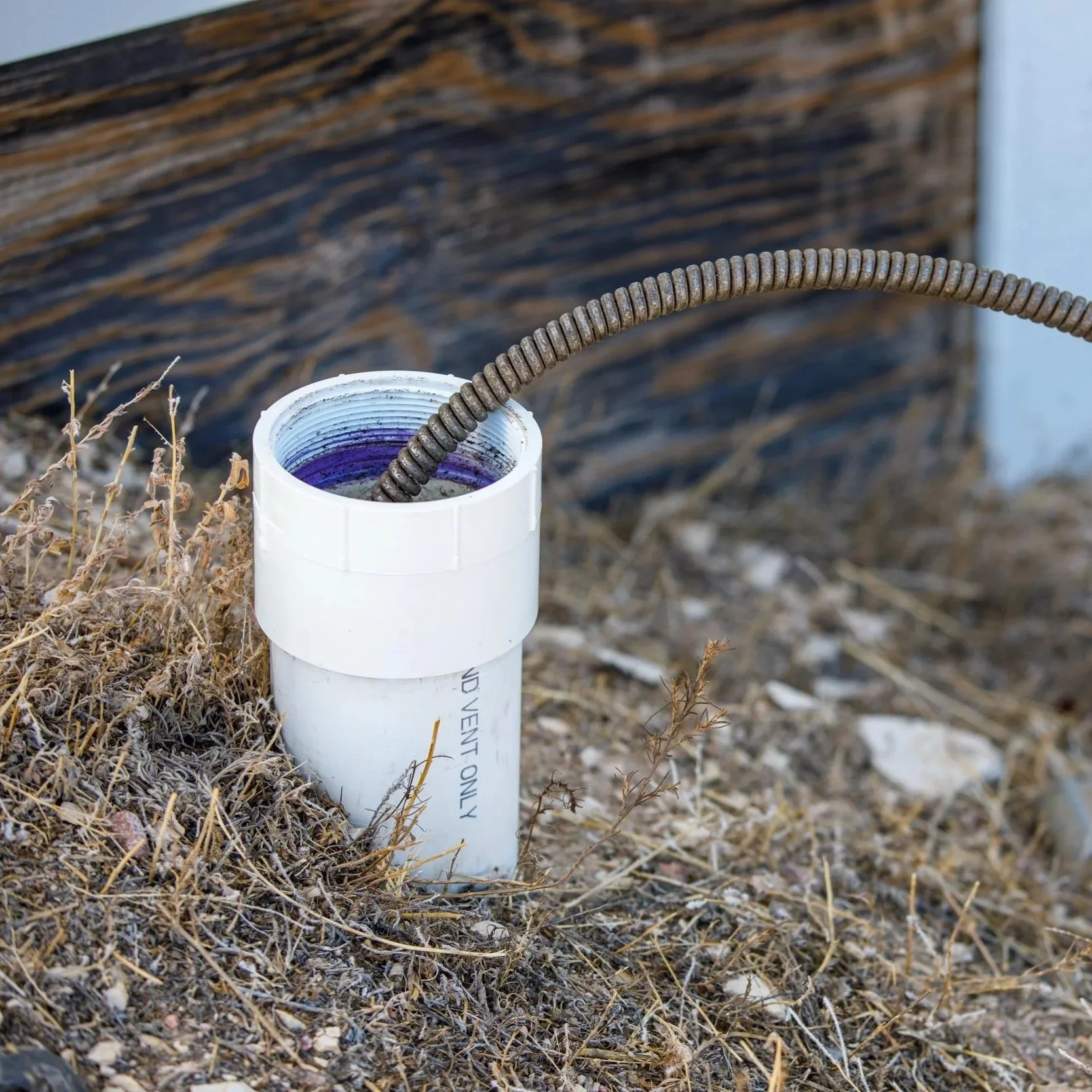
Residential septic tank cleaning service removing waste buildup to protect home structure, landscaping, and long-term property value.
Residential septic systems rarely ask for attention until something goes wrong, and by then the damage often extends beyond plumbing. Residential septic tank cleaning protects the infrastructure beneath the home, safeguards indoor comfort, and preserves property value. Homeowners rely on septic systems every day without seeing the work that goes on underground. Professional septic cleaning keeps that hidden system operating smoothly, preventing avoidable repairs that disrupt daily life and strain household budgets.
Why Residential Septic Systems Need Professional Cleaning
Septic tanks collect wastewater, separate solids, and release treated liquids into the drain field. Over time, solids accumulate, reducing available capacity. Residential septic tank cleaning removes that buildup before it interferes with system performance. Homes generate consistent wastewater from showers, laundry, cooking, and cleaning, even when usage feels modest—professional cleaning accounts for real-world household habits rather than assumptions, keeping systems balanced and reliable.
How Septic Cleaning Protects Home Structure And Landscaping
A neglected septic system affects more than plumbing fixtures—wastewater backups damage flooring, drywall, and foundations. Saturated soil around the drain field weakens landscaping and creates uneven ground. Residential septic tank cleaning helps limit excess pressure within the system, reducing the risk of leaks that compromise structural integrity. Maintaining proper waste levels also protects lawns, gardens, and outdoor living spaces from contamination and odor issues.
Signs Residential Septic Tank Cleaning Is Overdue
Septic systems often provide warnings before a major failure. Slow-draining sinks, tubs, or toilets suggest rising tank levels. Gurgling sounds from plumbing indicate airflow restrictions. Persistent odors near drains or outdoors point to trapped gases or escaping wastewater. Residential septic tank cleaning addresses these symptoms early, preventing escalation into full backups or drainfield damage that requires extensive repair work.
The Impact Of Household Size And Water Use
Household size plays a major role in septic system demand. More occupants mean increased water usage and faster solid accumulation. Homes with frequent guests, multi-generational living, or home-based businesses often exceed average usage levels. Residential septic tank cleaning schedules are adjusted based on actual water use rather than outdated estimates. Professional service reflects how families truly live rather than how systems were originally designed decades ago.
Septic Cleaning And Drain Field Longevity
Drain fields rely on properly treated wastewater to function effectively. Excess solids escaping the tank clog soil pores and reduce absorption capacity. Residential septic tank cleaning keeps solids contained, preventing premature failure of the drain field. Drain field replacement involves excavation, landscaping disruption, and significant expense. Regular cleaning extends the life of the drain fields and preserves usable outdoor space around the home.
Why Skipping Septic Cleaning Becomes Expensive
Delaying septic cleaning often feels harmless until consequences surface. Solids continue to accumulate, reducing tank capacity and increasing pressure on pipes and the soil. Emergency service calls cost more and often arrive during inconvenient moments. Residential septic tank cleaning prevents emergencies by maintaining balance within the system. Predictable maintenance costs protect homeowners from sudden financial surprises tied to preventable damage.
Health And Safety Benefits Of Septic Maintenance
Septic failures expose households to bacteria, pathogens, and unpleasant gases. Indoor air quality suffers when odors spread through drains and vents. Contaminated surfaces increase health risks for children, pets, and guests. Residential septic tank cleaning reduces exposure by keeping waste contained and systems operating within safe limits. Professional wastewater handling protects both occupants and service providers during maintenance.
Environmental Protection Starts At Home
Residential septic systems connect directly to the surrounding soil and groundwater. Overloaded systems release untreated wastewater into the environment, impacting nearby wells and water sources. Residential septic tank cleaning limits the migration of nutrients and bacteria, supporting healthier ecosystems around the property. Responsible maintenance contributes to cleaner water and reduced environmental impact beyond property lines.
What Happens During Residential Septic Tank Cleaning
Professional septic cleaning involves more than pumping out liquid waste. Technicians locate access points, remove accumulated sludge and scum, and inspect visible components. Baffles, inlet and outlet conditions, and waste levels are carefully monitored. Residential septic tank cleaning visits often include recommendations based on observed conditions, helping homeowners plan future service with confidence rather than guesswork.
How Often Should Residential Septic Cleaning Occur
Cleaning frequency depends on household size, tank capacity, and water usage habits. Many homes benefit from cleaning every three to five years, though households with higher usage may require more frequent service. Residential septic tank cleaning schedules work best when guided by professional evaluation rather than calendar reminders. Adjusting frequency based on real conditions prevents under-maintenance and unnecessary service.
Seasonal Considerations For Septic Cleaning
Seasonal changes influence septic system performance. Spring snowmelt and rain increase soil moisture, reducing drain field absorption. Summer gatherings increase water usage. Winter freezing affects access and flow patterns. Residential septic tank cleaning scheduled during moderate seasons improves service efficiency and access to the system. Planning avoids emergencies during peak usage or unfavorable weather.
Older Homes And Aging Septic Systems
Older homes often have septic systems designed for smaller households and simpler water use: modern appliances, additional bathrooms, and lifestyle changes strain aging systems. Residential septic tank cleaning helps older systems adapt by managing waste buildup and monitoring component condition. Professional insight supports informed decisions about upgrades or adjustments as systems age.
Septic Cleaning Before Home Sales Or Renovations
Real estate transactions frequently involve septic inspections and documentation. Buyers want confidence that wastewater systems function properly. Residential septic tank cleaning before listing simplifies inspections and reduces negotiation delays. Renovations that add bathrooms or living space also increase septic demand. Cleaning before construction protects systems during increased usage and supports long-term performance after upgrades.
Preventing Septic Odors And Surface Issues
Septic odors signal an imbalance within the system. Trapped gases and leaking wastewater create unpleasant conditions indoors and outdoors. Residential septic tank cleaning restores airflow balance and reduces odor sources. Surface issues such as soggy soil or unusually green grass often improve once waste levels return to normal. Professional cleaning addresses causes rather than masking symptoms.
Why Professional Service Matters
Septic systems involve hazardous waste and confined spaces. Professional technicians follow safety standards and use specialized equipment. Residential septic tank cleaning performed by trained providers protects homeowners from exposure risks and improper handling. Professional experience allows technicians to spot developing issues before they become costly failures.
Long-Term Cost Savings Through Preventative Care
Preventative septic maintenance costs less than emergency repairs or system replacement. Residential septic tank cleaning spreads expenses predictably over time and protects infrastructure investments. Regular service extends the system's lifespan, stabilizes household budgets, and reduces stress associated with unexpected failures. Financial planning benefits from maintenance that prevents surprise expenses.
Choosing A Residential Septic Service Provider
Reliable septic service requires local experience, clear communication, and proper licensing. Soil conditions, system designs, and regulations vary by area. Residential septic tank cleaning providers familiar with local environments deliver more accurate recommendations and responsive service. Building a relationship with a trusted provider simplifies scheduling and maintenance planning.
Preparing For A Septic Cleaning Appointment
Simple preparation supports efficient service. Clearing access to tank lids, securing pets, and sharing information about system behavior help technicians work quickly. Noting recent plumbing issues or odors provides valuable context. Residential septic tank cleaning runs more smoothly when homeowners share observations before service begins.
Water Use Habits That Support Septic Health
Daily habits influence septic system performance. Spreading laundry loads, promptly fixing leaks, and moderating water-intensive activities reduce strain on the system. Residential septic tank cleaning works best alongside mindful water usage. Professional providers often share practical tips during service visits without requiring lifestyle overhauls.
Protecting Property Value Through Septic Care
A functional septic system supports property value just as much as visible upgrades. Buyers and inspectors notice signs of neglect quickly. Residential septic tank cleaning demonstrates responsible ownership and protects long-term investment. Maintaining hidden infrastructure preserves market appeal and avoids complications during future transactions.
Why Septic Maintenance Brings Peace Of Mind
Homeownership involves enough responsibilities without worrying about wastewater failures. Residential septic tank cleaning removes uncertainty by keeping systems balanced and predictable. Professional service allows homeowners to enjoy their space without concern about backups, odors, or emergency calls interrupting daily life.
FAQs
How often should residential septic tank cleaning be scheduled?
Cleaning frequency depends on household size, tank capacity, and water usage. Many homes benefit from service every three to five years, with adjustments based on a professional evaluation.
What happens if residential septic tank cleaning is skipped?
Skipping cleaning allows solids to accumulate, increasing the risk of backups, odors, damage to the drain field, and costly repairs.
Does residential septic tank cleaning include inspections?
Most professional cleaning visits include visual inspections of tank components and waste levels, with recommendations for follow-up service if needed.
Can septic cleaning help prevent drain field failure?
Cleaning keeps solids contained inside the tank, protecting the drain field from clogging and extending its lifespan.
Is septic tank cleaning messy or disruptive?
Professional service minimizes disruption. Technicians work efficiently, properly contain waste, and restore access areas after service is complete.
Keep your residential septic system in top-shape with professional septic tank pumping & cleaning, septic system repair & maintenance, septic system inspections, septic components & upgrades, and other septic services from Bigfoot Septic. Serving Penrose, CO, our team is committed to get the job done right the first time. Get your free quote today.
