
Why Septic Tank Inspections During Pumping Catch Hidden Issues
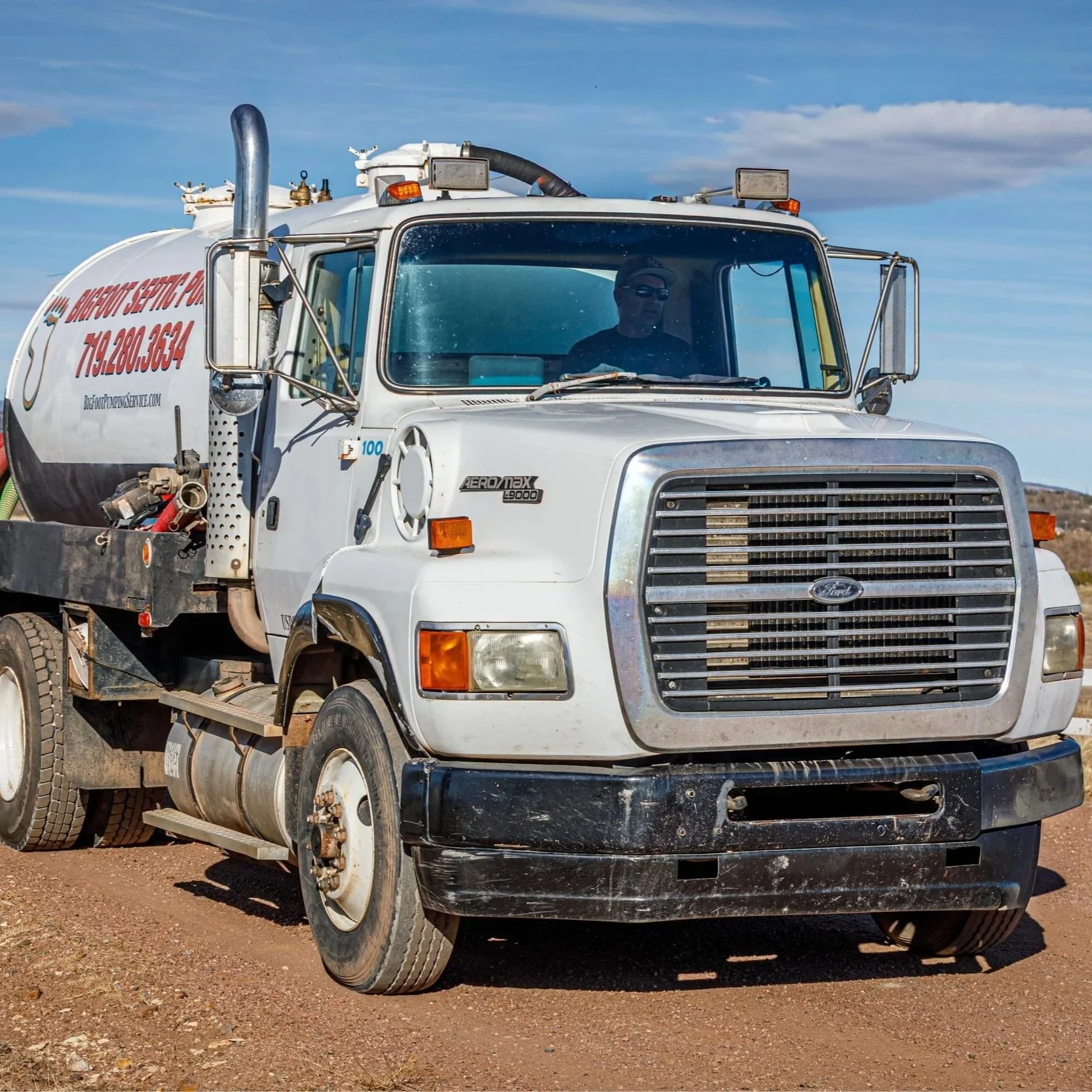
Septic tank inspection during pumping, exposing internal components to identify cracks, baffles issues, and hidden structural problems.
Septic pumping clears waste from the tank, but pumping by itself only addresses what is already visible. The most important discoveries often happen while the tank is actively being emptied, when internal components are exposed, and system behavior changes in real time. Septic tank inspection during pumping allows professionals to evaluate how the system truly functions under working conditions rather than guessing based on surface-level symptoms. Cracks, flow problems, and component failures frequently remain hidden for years until pumping reveals them. That brief service window provides insight that cannot be replicated once the tank is full again, making inspection during pumping one of the most valuable steps in long-term septic care.
Why Pumping Creates A Critical Inspection Window
A septic tank full of liquid conceals nearly every structural and mechanical element that matters. Walls, seams, baffles, and the tank floor remain submerged, masking deterioration and damage. As pumping begins, liquid levels drop gradually, exposing components under changing pressure conditions. Septic tank inspection during pumping allows technicians to observe how the tank responds to shifting stress, often revealing weaknesses that remain hidden under static conditions. Hairline cracks may appear as pressure releases, joints may show separation, and flow behavior becomes easier to interpret. That combination of visibility and system movement creates a diagnostic opportunity that does not exist during visual checks or post-service walkthroughs.
Structural Issues That Only Appear When Tanks Are Empty
Many septic tanks fail structurally long before surface symptoms appear. Concrete tanks may develop spalling, fractures, or seam separation. Steel tanks may corrode from prolonged exposure to gases and moisture. Plastic tanks can warp or shift over time. Septic tank inspection during pumping exposes these issues early by revealing the tank shell as liquid levels change. Identifying structural damage at this stage allows repairs to remain targeted and manageable. Without inspection, minor defects often progress unnoticed until wastewater leaks into surrounding soil, triggering environmental concerns and costly replacement projects.
Baffles And Internal Components Reveal Their True Condition
Baffles and tees play a critical role in controlling wastewater flow in and out of the tank. Their job is to slow the flow and prevent solids from entering the drain field. Damage to these components often goes undetected because they remain submerged and out of sight. Septic tank inspection during pumping provides direct access to baffles and internal fittings, allowing evaluation of alignment, stability, and integrity. A cracked or missing baffle may function poorly for years before causing obvious problems. Catching that damage during inspection prevents solids migration that leads to drain field clogging and premature system failure.
Flow Behavior Exposes Hidden System Stress
How wastewater moves during pumping offers valuable clues about overall system health. Slow drainage, uneven emptying, or visible backflow often indicate downstream restrictions, partial line blockages, or saturated soil conditions. Septic tank inspection during pumping allows professionals to observe these behaviors rather than relying on assumptions. Flow irregularities may point to issues beyond the tank itself, such as failing distribution boxes or compromised absorption areas. Identifying these patterns early allows corrective action before backups or surface pooling occur, protecting both property and system longevity.
Sludge And Scum Levels Provide Insight Beyond Removal
Sludge and scum layers tell a story about how a septic system handles solids over time. Excessive buildup often signals heavy usage, poor waste habits, or extended service intervals. During septic tank pumping, a septic tank inspection includes measuring and evaluating these layers before removal. That information helps professionals recommend realistic maintenance schedules based on actual conditions rather than generic timelines. Pumping without inspection removes waste but misses an opportunity to adjust service frequency and prevent recurring overload. Understanding buildup trends protects tanks and downstream components from unnecessary stress.
What The Tank Floor Reveals About System History
The bottom of a septic tank reveals patterns that no surface check can uncover. Hardened sludge, uneven accumulation, or compacted deposits often indicate circulation problems, improper slope, or years of delayed service. A septic tank inspection during pumping allows technicians to evaluate these conditions firsthand. Recognizing how waste accumulates over time helps tailor future maintenance strategies that address root causes rather than repeating short-term fixes. Ignoring tank floor conditions allows problems to recur, increasing wear and shortening the system's lifespan.
Inlet And Outlet Connections Deserve Close Attention
Inlet and outlet pipes connect the tank to household plumbing and the drain field. A septic tank inspection during pumping clearly exposes these connections, making it easier to spot corrosion, misalignment, root intrusion, or partial blockages. Pipe issues often develop gradually and can cause slow drains or pressure buildup long before complete failure. Addressing these problems early prevents backups and reduces stress throughout the system. Pipe-related issues frequently escalate into emergencies when left unchecked because they restrict flow at critical transition points.
Detecting Infiltration And Leakage During Service
Unexpected water entering the tank during pumping often signals groundwater infiltration through cracks or compromised joints. Likewise, damp soil around the tank may indicate wastewater escaping into the surrounding area. Septic tank inspection during pumping makes these conditions easier to identify because changing liquid levels reveal abnormal behavior. Early detection protects groundwater and soil while reducing the risk of regulatory complications. Left unaddressed, infiltration and leakage accelerate system deterioration and increase environmental exposure.
Why Visual Inspections Without Pumping Fall Short
Surface inspections and lid checks provide limited information at best. Submerged damage, hidden cracks, and internal component failure remain invisible when tanks stay full. A septic tank inspection during pumping removes those limitations by fully exposing the system. Direct observation replaces guesswork, allowing professionals to make informed assessments based on actual conditions. Skipping inspection during pumping often leads to the delayed discovery of problems that become far more expensive to correct later.
Drain Field Protection Starts Inside The Tank
Drain fields rely on clean effluent leaving the septic tank. When baffles fail, sludge levels rise, or outlets deteriorate, solids escape and clog soil pores. Septic tank inspection during pumping confirms whether solids remain properly contained. Protecting the drain field at the tank level prevents surface pooling, slow drainage, and costly excavation projects. Drain field replacement disrupts landscapes, access, and daily life, making prevention far more practical than repair.
Why Inspections Reduce Emergency Repairs
Emergency septic repairs rarely appear without warning. Minor cracks, worn components, and flow restrictions often exist long before systems fail. A septic tank inspection during pumping identifies these early issues, allowing repairs to be scheduled on a planned basis. Planned maintenance costs less, causes less disruption, and avoids after-hours emergencies that strain budgets and schedules. Inspection turns reactive repair into proactive system care.
Residential And Commercial Benefits Of Inspection
Residential systems face changing demands as households grow, habits shift, and infrastructure ages. Septic tank inspection during pumping aligns maintenance with actual use rather than outdated assumptions. Commercial and shared systems experience a heavier load and faster wear, making inspection even more valuable. Businesses rely on uninterrupted operation and compliance, both of which depend on early detection of issues. Inspection during pumping supports reliability across property types and usage levels.
Health And Environmental Protection Through Early Detection
Septic failures expose occupants to bacteria, pathogens, and hazardous gases. Leaks contaminate soil and groundwater, creating risks beyond property boundaries. Septic tank inspection during pumping reduces these risks by identifying conditions that lead to overflows or leakage. Early intervention protects health, environmental quality, and community safety while supporting responsible waste management.
Documentation and Long-Term Planning Advantages
Inspection records provide valuable insight over time. Septic tank inspection during pumping generates documentation that tracks component condition, sludge trends, and emerging concerns. These records support long-term maintenance planning, inspections, and property transactions. Clear documentation demonstrates responsible ownership and simplifies future decision-making.
Inspection Cost Compared To Repair Cost
Inspection during pumping adds minimal cost compared to major septic repairs. Septic tank inspection during pumping prevents drain field replacement, tank collapse, and emergency response expenses. Preventive evaluation protects budgets by addressing issues early rather than reacting after damage spreads across multiple system components.
Why Professional Experience Matters
Effective inspection requires proper tools, lighting, and experience. A septic tank inspection during pumping, performed by trained professionals, reveals subtle warning signs others may miss. Experience enables technicians to interpret conditions and accurately recommend solutions that address the underlying causes. Professional insight transforms inspection into a strategic maintenance tool rather than a routine task.
Adapting Maintenance As Systems Evolve
Properties change over time. Added fixtures, increased occupancy, and expanded use alter system demand. Septic tank inspection during pumping helps adjust maintenance strategies to match current conditions rather than outdated expectations. Adaptability keeps systems reliable as needs evolve.
Confidence Comes From Knowing System Condition
Knowing what lies beneath the lid removes uncertainty. Septic tank inspection during pumping provides clarity that pumping alone cannot deliver. Confidence replaces worry when systems receive a thorough professional evaluation backed by experience and documentation.
FAQs
Why is septic tank inspection during pumping more effective than inspection alone?
Inspection during pumping exposes internal components, flow behavior, and structural conditions that remain hidden when tanks stay full.
What hidden issues are commonly found during septic tank inspection during pumping?
Cracks, damaged baffles, pipe problems, infiltration issues, and excessive sludge buildup often appear during inspection.
How often should a septic tank inspection occur during pumping?
Many residential systems benefit from inspection during every pumping service, while commercial systems may require more frequent evaluation.
Does septic tank inspection during pumping help protect the drain field?
Inspection confirms that solids remain contained and that components function properly, protecting soil absorption areas from clogging.
Who should perform a septic tank inspection during pumping?
Licensed professionals with proper training and equipment should perform inspections to accurately and safely identify issues.
Keep your residential septic system in top-shape with professional septic tank pumping & cleaning, septic system repair & maintenance, septic system inspections, septic components & upgrades, and other septic services from Bigfoot Septic. Serving Penrose, CO, our team is committed to get the job done right the first time. Get your free quote today.
