
Why Routine Septic Inspections Are A Smart Investment For Homeowners
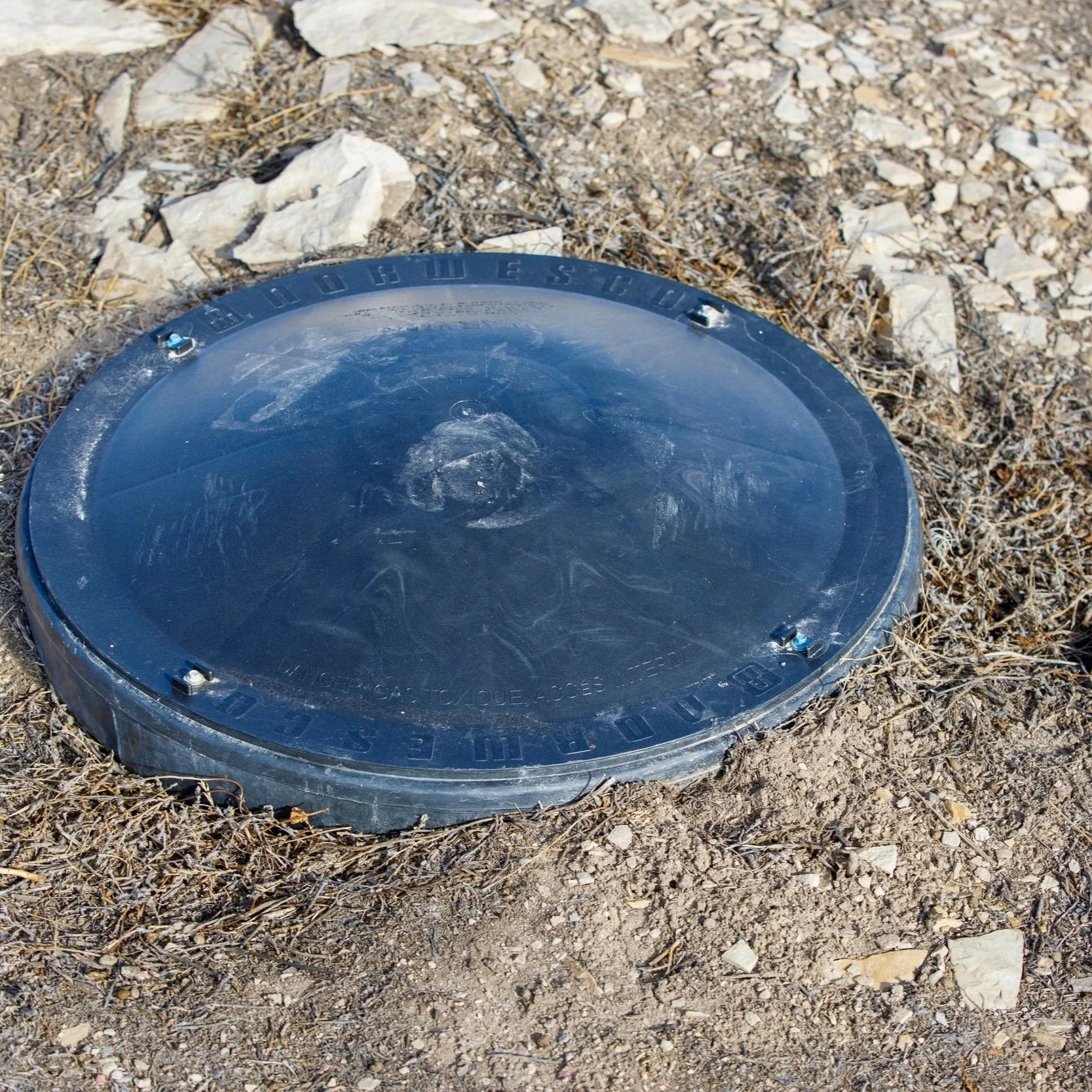
Paying attention early transforms septic ownership from reactive problem-solving into predictable property care.
Why Septic Systems Deserve More Attention Than They Get
Septic systems quietly support daily life without reminders, alerts, or dashboards. Wastewater flows away, toilets flush, and everything appears fine until it suddenly is not. That silence often leads homeowners to treat septic systems as something to think about later. Later usually arrives with stress, expense, and disruption. Routine maintenance inspections bring septic care into the present, rather than leaving it to chance. Professional inspections focus on system behavior, wear patterns, and early warning signs that homeowners cannot see at first glance. Paying attention early transforms septic ownership from reactive problem-solving into predictable property care.
How Routine Maintenance Inspections Actually Work
Routine maintenance inspections examine how a septic system functions during normal use. Professionals evaluate tank condition, internal balance, and wastewater movement rather than waiting for failure symptoms. Sludge and scum layers are measured to determine whether pumping is approaching. Inlet and outlet components receive inspection to confirm proper flow control. Distribution areas are reviewed to identify imbalance or strain. Drain field behavior is observed for subtle indicators of saturation or stress. Routine inspections look beyond whether parts exist and focus on how well everything works together. Performance matters more than appearances.
Why Small Issues Are the Most Expensive Ones to Ignore
Septic problems rarely announce themselves loudly at first. Minor buildup, gradual wear, or slight imbalance often feels harmless. Over time, those small issues compound. Sludge that creeps too high pushes solids into places they do not belong. Worn baffles lose their ability to protect downstream components. Uneven distribution places stress on limited sections of the drain field. Routine maintenance inspections catch these issues while they remain manageable. Addressing small concerns early prevents them from becoming large repair projects. Ignoring minor problems often costs far more than fixing them.
The Real Cost Difference Between Maintenance and Repair
Planned maintenance almost always costs less than emergency repair. Emergency septic work often involves rushed scheduling, intensive labor, and extensive excavation. Landscaping restoration, temporary relocation, and lost time add to the expense. Routine maintenance inspections allow homeowners to plan service at convenient times. Repairs can be scheduled before damage spreads. Budgets remain predictable rather than reactive. Over time, routine inspections represent a modest investment that protects against far higher costs.
Why Visual Clues Are Not Reliable Indicators
Many homeowners assume that clear drains and odor-free yards signal a healthy septic system. Septic systems often perform poorly long before surface symptoms appear. Underground conditions change gradually and invisibly. Routine maintenance inspections rely on measurement, observation, and professional judgment rather than surface clues. Professionals evaluate internal conditions that homeowners cannot access. Trusting visual cues alone delays necessary care. Professional inspections replace assumptions with verified information.
How Routine Inspections Protect the Drain Field
The drain field is one of the most expensive components of a septic system to repair or replace. Damage often develops slowly through overload, imbalance, or poor flow control. Routine maintenance inspections monitor the drain field behavior before failure occurs. Professionals look for early signs of uneven absorption or saturation. Adjustments made early protect soil structure and treatment capacity. Preserving drain field health extends system lifespan and prevents major investment down the road. Protecting the drain field protects the entire system.
The Role of Sludge Management in Long-Term Savings
Sludge accumulation inside the septic tank affects everything downstream. When sludge levels rise unchecked, solids escape the tank and clog pipes or infiltrate the drain field. Routine maintenance inspections include accurate sludge measurement. Professionals recommend pumping based on actual conditions rather than guesswork. Proper sludge management supports efficient separation and flow. Regular attention prevents the costly consequences of neglected buildup. Consistently managing sludge saves money over the life of the system.
Why Routine Inspections Matter Even When Nothing Seems Wrong
Septic systems rarely fail overnight. Performance degrades gradually. Routine maintenance inspections focus on system behavior during normal operation. Professionals identify changes that homeowners might not notice. Slight flow restriction, component wear, or imbalance often appears long before failure. Waiting for symptoms places homeowners at a disadvantage. Inspections performed while systems appear fine deliver the greatest value. Proactive care always beats reactive repair.
How Routine Inspections Support Smarter Maintenance Planning
Generic maintenance schedules fail to account for differences between systems. Household size, usage patterns, soil conditions, and system age all influence performance. Routine maintenance inspections provide data specific to each system. Professionals tailor recommendations based on observed conditions rather than broad timelines. Homeowners gain clarity on pumping frequency, inspection intervals, and future needs. Smarter planning reduces unnecessary service while preventing neglect. Tailored maintenance protects both performance and budget.
The Connection Between Water Usage and Inspection Findings
Daily water use habits influence septic system behavior more than many homeowners realize. High-volume use over short periods increases stress. Leaks add unnecessary load. Routine maintenance inspections consider usage patterns alongside system performance. Professionals may identify signs of overload linked to household routines. Small habit adjustments often improve system balance. Understanding the connection between usage and performance helps homeowners reduce long-term risk without major expense.
Why Older Systems Benefit the Most From Routine Inspections
Older septic systems operate under conditions different from those when they were installed. Modern appliances, increased occupancy, and changing soil conditions add strain. Materials degrade over time, increasing vulnerability. Routine maintenance inspections help professionals evaluate how older systems handle current demands. Early identification of wear patterns allows planning rather than surprise failure. Older systems often deliver many additional years of service when supported by consistent professional oversight.
Seasonal Impacts That Routine Inspections Help Manage
Weather patterns influence septic performance throughout the year. Heavy rainfall can saturate soil and reduce absorption capacity. Dry periods may concentrate solids and slow treatment processes. Temperature changes affect bacterial activity. Routine maintenance inspections account for seasonal factors that impact system behavior. Professionals identify vulnerabilities tied to weather cycles. Seasonal awareness helps homeowners take preventive steps before conditions trigger problems.
How Routine Inspections Reduce Emergency Disruptions
Septic emergencies disrupt daily routines, schedules, and peace of mind. Backups, odors, and system shutdowns rarely happen at convenient times. Routine maintenance inspections reduce emergency risk by identifying issues early. Planned repairs replace crisis response. Homeowners experience fewer disruptions and greater confidence in system reliability. Avoiding emergencies remains one of the most practical benefits of routine inspections.
Why Documentation From Inspections Adds Long-Term Value
Documentation transforms septic care into a managed process. Routine maintenance inspections produce records of system condition over time. Homeowners benefit from having service history readily available. Documentation supports future maintenance decisions and property transactions. Clear records reduce disputes and support transparency. Organized documentation adds value well beyond the inspection itself.
The Professional Perspective Makes a Critical Difference
Septic systems require specialized knowledge to evaluate properly. Professional inspectors recognize subtle warning signs that untrained eyes overlook. Experience allows differentiation between harmless variation and meaningful concern. Routine maintenance inspections guided by professionals provide reliable insight. Professional judgment prevents overreaction while addressing real risks. Expertise turns inspection findings into practical guidance rather than confusion.
Why Routine Inspections Protect Property Value
Septic system condition affects property value more than many homeowners realize. Emergency repairs or system failure can complicate future sales. Routine maintenance inspections demonstrate responsible ownership. Well-maintained systems attract confident buyers and smoother transactions. Protecting septic health protects long-term property value. Maintenance history reflects positively on ownership and stewardship.
Environmental Benefits That Come With Routine Care
Properly functioning septic systems protect soil and groundwater. Performance issues increase the risk of untreated wastewater reaching surrounding areas. Routine maintenance inspections evaluate treatment effectiveness and flow control. Responsible system management supports environmental health. Homeowners contribute to community well-being by maintaining system performance. Preventing failure protects more than just the property.
Why Routine Inspections Are an Investment, Not an Expense
Routine maintenance inspections provide returns through avoided repairs, extended system life, and reduced stress. Viewing inspections as an expense misses the long-term value. Each inspection contributes to better planning, fewer emergencies, and smarter decisions. Over time, routine inspections pay for themselves many times over. Smart investments protect assets, and septic systems represent significant property assets.
How Inspections Support Confident Homeownership
Confidence comes from understanding. Routine maintenance inspections replace uncertainty with knowledge. Homeowners know where their system stands and what to expect. Professional guidance builds trust in system performance. Confidence reduces anxiety around daily use and future planning. Informed owners make better decisions and enjoy greater peace of mind.
When to Schedule Routine Maintenance Inspections
Scheduling inspections before problems arise delivers the greatest benefit. Many homeowners schedule routine maintenance inspections every few years or after changes in occupancy or usage. Property purchases, renovations, or recurring performance questions also prompt inspections. Professionals recommend timing based on system condition rather than rigid rules. Proactive scheduling remains the smartest approach.
What Happens After a Routine Inspection
After completing a routine maintenance inspection, professionals review findings clearly and thoroughly. Homeowners receive explanations of system condition and performance observations. Recommendations focus on actual needs rather than unnecessary services. Guidance may include maintenance timing, minor repairs, or monitoring strategies. Clear communication supports informed decision-making. Inspections empower homeowners rather than overwhelm them.
Why Routine Inspections Keep Homeownership Predictable
Predictability matters in homeownership. Routine maintenance inspections support predictable expenses, predictable performance, and predictable outcomes. Emergency repairs introduce chaos and cost. Inspections replace uncertainty with planning. Predictable septic care allows homeowners to focus on enjoying their property rather than worrying about hidden infrastructure.
Don’t Wait for a Failure — Routine Septic Inspection FAQs
How Often Should Routine Septic Inspections Be Scheduled?
Most systems benefit from routine maintenance inspections every few years. Professionals adjust timing based on system age, usage, and observed conditions.
Do Routine Inspections Replace Septic Pumping?
Routine inspections evaluate system performance and may recommend pumping when needed. Inspections and pumping work together rather than replacing each other.
Can Routine Inspections Really Save Money?
Routine maintenance inspections identify small issues early, preventing costly emergency repairs and extending the system's lifespan. Long-term savings often exceed inspection costs.
Are Routine Inspections Disruptive to Daily Life?
Professional inspections typically cause minimal disruption. Technicians coordinate access efficiently to limit inconvenience.
Do Newer Septic Systems Need Routine Inspections?
Newer systems benefit from routine inspections to confirm proper operation and identify early performance issues related to usage or installation conditions.
Get fast, dependable, and professional solutions for your residential and commercial wastewater systems with Bigfoot Septic. We offer septic tank pumping and cleaning, grease trap cleaning, septic system inspections, septic system repair & maintenance, and sewer line cleaning and clog removal in Penrose, CO. Call now to get solutions that you can trust.