
What Buyers Should Expect From a Septic System Inspection
Understanding Why Septic Inspections Matter In Real Estate
Buying a property with a septic system introduces responsibilities that many buyers have never handled directly. Septic systems function quietly underground, which often leads buyers to assume everything is operating as expected. That assumption can become costly after closing when hidden problems surface. A real estate septic system inspection provides buyers with a clear understanding of the system's condition, performance, and potential risks associated with ownership. In many regions, lenders, counties, or health departments require inspections as part of property transfers, especially in rural and semi-rural areas. Even when inspections are not mandatory, skipping one exposes buyers to repair expenses that may exceed initial expectations. Inspection results also influence property value, negotiation leverage, and long-term resale potential. Buyers who understand the system beneath their future home approach the purchase with confidence rather than uncertainty.
What A Professional Septic Inspection Involves
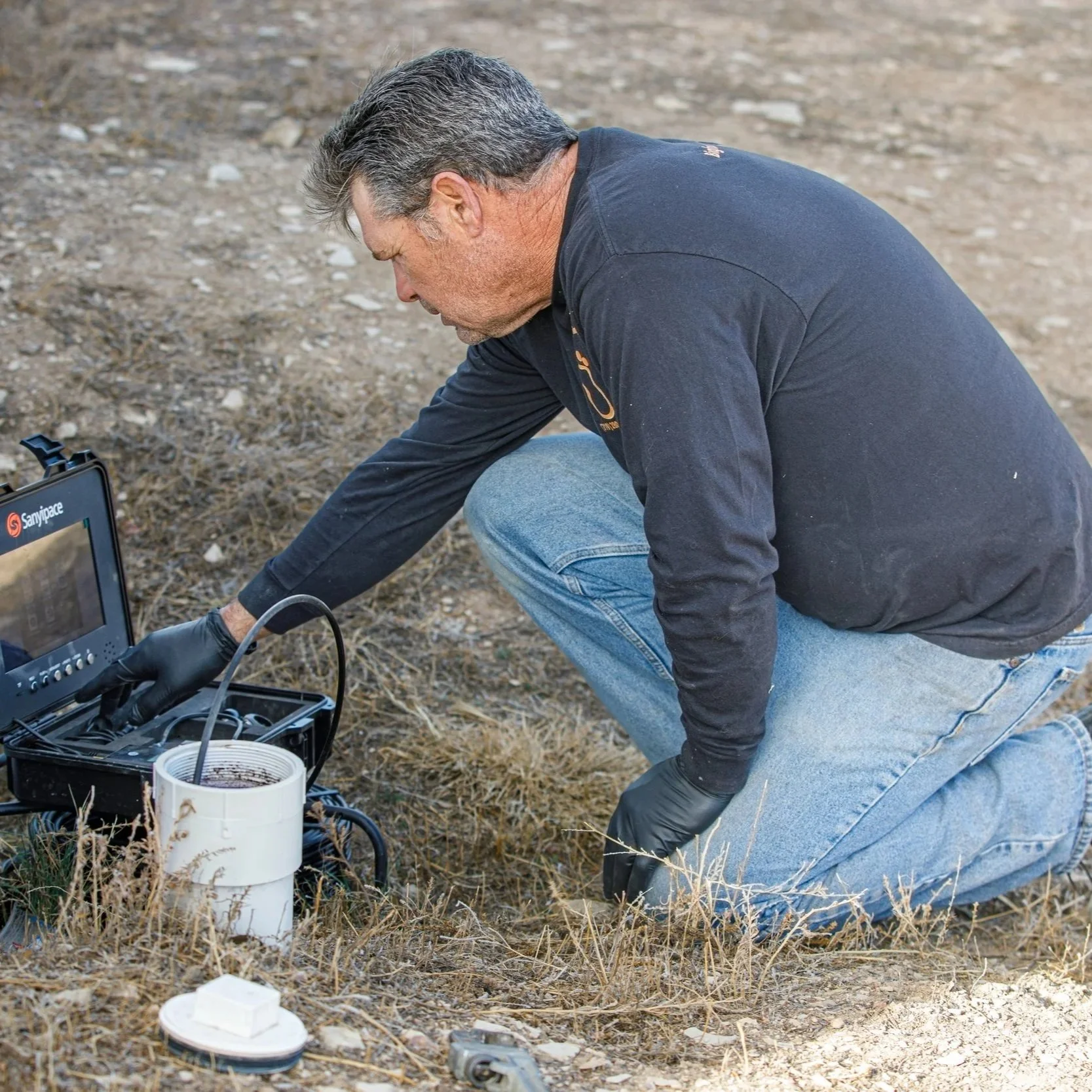
A professional septic inspection evaluates the entire wastewater system as a working unit rather than isolated components. Inspectors begin by locating the septic tank, drain field, and any secondary features using site plans, probing tools, and electronic locators. Access lids are carefully uncovered to avoid damage and to allow safe inspection. Tank material, capacity, and structural integrity are closely inspected, with inspectors checking for cracks, corrosion, displaced seams, or deterioration. Sludge and scum layers are measured to determine whether pumping is overdue or if solids have migrated toward the drain field. Flow testing may follow, allowing inspectors to observe how wastewater travels through the system during controlled water use. Distribution boxes, filters, and outlet baffles are inspected for blockages, misalignment, or damage. Each observation is documented with notes and photos suitable for real estate transactions and regulatory review.
Timing A Septic Inspection During The Buying Process
Septic inspections should be scheduled early in the transaction to prevent delays and negotiation challenges. Inspections typically occur during the inspection contingency period, giving buyers time to review findings and determine next steps. Coordinating septic inspections with general home inspections provides a more complete view of property condition and infrastructure health. Weather conditions play an essential role, as frozen ground, heavy rainfall, or saturated soil can limit access to drain fields or distort results. Buyers benefit from completing inspections before appraisal, so repair discussions do not disrupt financing timelines. Relying on older inspection reports is rarely advisable, as system conditions can change due to usage patterns, environmental factors, or deferred maintenance. Current inspections reflect real-time performance and offer more reliable guidance for decision-making.
Evaluating Septic System Age And Design
System age provides valuable insight into remaining lifespan and future financial planning. Inspectors identify tank materials such as concrete, fiberglass, or steel, each carrying different durability characteristics. Older steel tanks often exhibit corrosion, while aging concrete tanks may show cracking or joint separation. Drain field design is reviewed for layout efficiency, soil compatibility, and hydraulic capacity. Properties that added bedrooms, bathrooms, or finished living space without upgrading the septic system may face overload risks. Buyers benefit from understanding whether the system was designed for current household demands or previous occupancy levels. Design evaluation also highlights whether future upgrades may be required to meet modern standards. Knowing system age and design allows buyers to plan maintenance and budgeting with fewer surprises.
Understanding Septic System Maintenance History
Maintenance history reveals how consistently a septic system has been cared for over time. Inspectors often request pumping receipts, service logs, and repair records from sellers. Regular pumping and documented service suggest responsible ownership and reduce the likelihood of sludge-related damage. Missing or incomplete records do not automatically indicate neglect, but they do warrant closer inspection. Inspectors evaluate sludge levels, baffle condition, and flow behavior to infer maintenance habits when documentation is limited. Buyers gain valuable negotiating leverage when inspections reveal overdue pumping or deferred maintenance. Clear maintenance history also supports transparency and smoother communication between buyers and sellers during negotiations.
Identifying Common Issues Found During Inspections
Septic inspections frequently uncover issues that range from routine maintenance needs to significant system concerns. Common findings include clogged effluent filters, deteriorated baffles, root intrusion, and uneven wastewater distribution. Standing water or unusually lush vegetation above the drain field often signals absorption problems below the surface. Structural damage inside tanks may indicate material fatigue, soil movement, or long-term neglect. Improper grading around the system can allow surface water intrusion, accelerating wear and reducing efficiency. Identifying these issues before closing allows buyers to request repairs, credits, or system evaluations. Early detection often prevents emergency repairs and unexpected disruptions after move-in.
Health And Environmental Considerations
Septic systems play a vital role in protecting public health and local ecosystems. Malfunctioning systems can release untreated wastewater into soil, groundwater, and nearby water sources. Inspectors evaluate whether effluent is filtering properly through the soil before reaching groundwater. Distance from wells, streams, and neighboring properties is carefully reviewed to reduce contamination risks. Local health regulations often establish setback requirements and design criteria to protect drinking water supplies. Buyers benefit from understanding how system performance affects environmental responsibility and community health. A properly functioning septic system supports sustainable property ownership and long-term livability.
Negotiating Repairs Based On Inspection Results
Inspection results often become central negotiation tools during real estate transactions. Buyers may request repairs, price adjustments, or escrow agreements based on documented findings. Clear, detailed inspection reports reduce misunderstandings and support productive discussions among buyers, sellers, and agents. Minor concerns, such as pumping or filter replacement, can often be addressed quickly before closing. Larger issues, such as drain field rehabilitation, require professional estimates and realistic timelines. Real estate agents frequently coordinate with septic professionals to align solutions with transaction schedules. Buyers who understand inspection findings negotiate from a position of clarity rather than pressure.
Local Regulations And Compliance Considerations
Septic system regulations vary widely by location, making regional expertise essential during inspections. Many health departments require inspections for property transfers, particularly in environmentally sensitive or rural areas. Inspectors verify whether systems comply with current standards or operate under older approvals. Noncompliant systems may require upgrades or modifications before ownership transfer can proceed. Buyers benefit from understanding how local regulations influence future responsibilities and costs. Professional inspectors stay informed about jurisdiction-specific rules, helping buyers avoid compliance issues after closing.
What Inspection Reports Typically Include
A thorough septic inspection report provides buyers with organized and actionable information. Reports typically include system diagrams, component descriptions, measured sludge levels, and performance observations. Photographs document interior tank conditions, drain field indicators, and site features. Inspectors outline recommended actions ranging from routine maintenance to additional evaluation or repair. Reports are written clearly for buyers, lenders, and real estate professionals to review easily. Strong documentation supports informed decisions and helps transactions progress smoothly.
Planning For Future Septic Ownership
Septic inspections support long-term ownership planning beyond the immediate purchase. Buyers gain insight into maintenance schedules, pumping frequency, and water usage considerations. Inspectors often discuss how household habits influence system performance and longevity. Landscaping choices, surface drainage, and vehicle traffic near system components also factor into long-term health. Buyers who understand these relationships integrate septic care into routine home maintenance rather than reacting to problems. Proactive planning reduces stress, protects system investment, and supports consistent performance.
Working With Qualified Septic Professionals
Selecting experienced septic professionals strengthens the inspection process and buyer confidence. Licensed inspectors bring technical knowledge, regulatory awareness, and practical field experience. Collaboration between inspectors, contractors, and real estate agents improves communication and efficiency throughout the transaction. Buyers benefit from professionals who focus on education rather than fear-based messaging. Trusted inspectors act as advisors during a major financial decision, offering clarity and realistic expectations.
The Role Of Septic Inspections In Buyer Confidence
Septic inspections provide reassurance during one of the most significant purchases a buyer will make. Understanding system condition removes uncertainty tied to hidden infrastructure. Buyers gain clarity about maintenance responsibilities, future costs, and system limitations. Inspection findings also support informed conversations with lenders and insurers. Confidence built through inspection allows buyers to focus on enjoying their new property rather than worrying about unseen problems beneath the ground.
Why Septic Inspections Protect Long-Term Property Value
A septic system in good working condition supports stable property value over time. Buyers who understand system health can maintain it properly and avoid premature failure. Inspection findings guide responsible ownership and future planning. Well-maintained systems reduce the risk of emergency repairs that negatively affect resale potential. Properties with documented inspection history often attract more confident buyers in future transactions. Septic inspections protect not only the current purchase but also the long-term investment value.
Essential Answers About Real Estate Septic Inspections
How Long Does A Real Estate Septic System Inspection Take?
Most inspections take one to three hours, depending on system size, accessibility, and site conditions. Additional time may be required if components are difficult to locate or further evaluation becomes necessary.
Who Pays For The Septic Inspection During A Home Purchase?
Payment responsibility varies by contract and local practice. Buyers commonly pay during due diligence, although sellers may cover costs to support smoother negotiations.
Can A Home Sale Proceed If The Septic System Has Issues?
Many transactions continue with issues addressed through repairs, credits, or escrow agreements. Local regulations and lender policies influence acceptable solutions.
Is Pumping Required During A Septic Inspection?
Some inspections include pumping to allow a full assessment of the tank condition. Requirements depend on local standards and inspection scope.
Do Newer Homes Still Need Septic Inspections?
Newer systems can experience issues related to installation quality, soil conditions, or usage patterns. Inspections verify performance regardless of system age.
Get fast, dependable, and professional solutions for your residential and commercial wastewater systems with Bigfoot Septic. We offer septic tank pumping and cleaning, grease trap cleaning, septic system inspections, septic system repair & maintenance, and sewer line cleaning and clog removal in Penrose, CO. Call now to get solutions that you can trust.