
Sewage Pit Cleaning for Residential and Commercial Properties
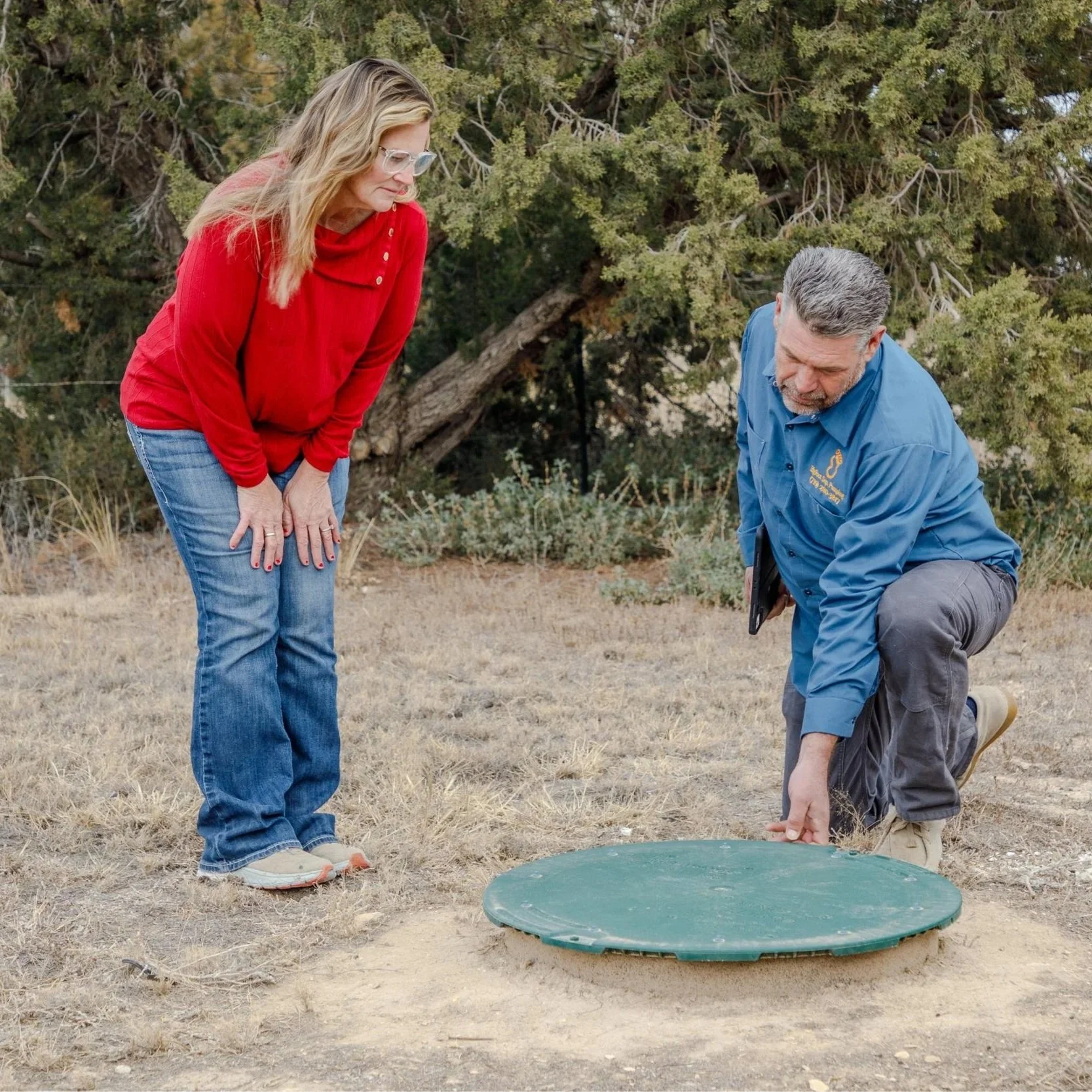
Professional sewage pit cleaning service removing waste buildup to protect pumps, control odors, and prevent wastewater backups.
Sewage pits quietly manage wastewater in homes, businesses, and facilities where gravity alone cannot move waste to the main sewer line. These systems work hard every day, handling raw sewage, debris, and wastewater with little oversight until something goes wrong. Sewage pit cleaning plays a critical role in keeping pumps operational, controlling odors, and preventing backups from reaching the floor. When cleaning stays on schedule, sewage pits support daily operations smoothly. When cleaning gets delayed, problems escalate fast and rarely stay contained.
How Sewage Pits Function In Residential And Commercial Settings
Sewage pits collect wastewater from lower-level plumbing fixtures and rely on pumps to move waste upward to sewer or septic connections. Residential systems often serve basements, laundry rooms, or bathrooms below grade. Commercial systems handle larger volumes from restrooms, kitchens, and production areas. As wastewater enters the pit, solids settle, grease floats, and debris circulates until pumping occurs. Sewage pit cleaning removes accumulated material that interferes with pump operation and pit capacity. Without regular service, pits lose efficiency and place excessive strain on pumps and controls.
Why Sewage Pits Accumulate Waste Faster Than Expected
Sewage pits receive everything that flows through connected drains. Soap residue, food waste, paper products, grease, grit, and organic material collect steadily. Even light daily use adds up over time. Sewage pit cleaning prevents a gradual buildup from forming into a solid mass that restricts movement and shortens pump life. Many property owners underestimate how quickly accumulation occurs, especially in commercial environments with consistent traffic and extended operating hours.
The Difference Between Sewage Pit Cleaning And Simple Pumping
Removing wastewater alone does not restore proper pit conditions. Sewage pit cleaning involves removing settled solids, scraping buildup from walls, and clearing debris around pump intakes and floats. The residual material continues to cause problems even after pumping. Professional cleaning restores usable capacity and reduces corrosive conditions inside the pit. Thorough service addresses the root causes of failure rather than offering temporary relief.
Warning Signs That Cleaning Is Overdue
Slow drains, recurring pump cycles, foul odors, and unusual noises often signal that a sewage pit needs attention. Rising wastewater levels inside the pit indicate reduced capacity or restricted intake. Sewage pit cleaning addresses these warning signs before backups reach fixtures or floors. Ignoring early symptoms increases the likelihood of emergency calls and property damage, which can disrupt daily routines or business operations.
How Buildup Damages Sewage Pit Pumps
Pumps rely on free movement to function efficiently. Solids and debris wrap around impellers, clog intake screens, and increase resistance. Pumps work harder, run hotter, and wear out faster. Sewage pit cleaning removes obstructions that cause mechanical strain. Regular service for pumps extends equipment lifespan and reduces costly replacement cycles.
Odor Control And Indoor Air Quality
Sewage pits produce gases as organic waste breaks down. When buildup accumulates, decomposition accelerates and odors intensify. These smells travel through drain lines and venting systems, affecting indoor comfort. Sewage pit cleaning removes odor-causing material rather than masking the odor. Clean pits support healthier air quality in homes and workplaces.
Residential Sewage Pit Considerations
Residential sewage pits often serve critical fixtures located below grade. Backups in these areas create immediate mess and stress for homeowners. Sewage pit cleaning keeps household systems reliable and prevents unpleasant surprises. Regular service protects finished basements, laundry areas, and mechanical rooms from wastewater exposure and cleanup costs.
Commercial Sewage Pit Demands
Commercial properties place greater demand on sewage pits due to higher usage and longer operating hours. Restaurants, offices, retail spaces, and industrial facilities generate larger waste volumes and heavier debris loads. Sewage pit cleaning tailored to commercial use prevents downtime that disrupts staff, customers, and revenue. Proactive service supports compliance and operational continuity.
Health And Safety Risks Of Neglected Sewage Pits
Raw wastewater contains bacteria, pathogens, and contaminants that pose serious health risks. Overflow or leaks expose occupants and employees to unsafe conditions. Sewage pit cleaning reduces these risks by keeping waste contained and systems operating properly. Professional handling of hazardous material protects people and property alike.
Environmental Concerns And Responsible Waste Management
Improperly maintained sewage pits increase the risk of spills that contaminate soil and groundwater. Environmental impact extends beyond the property itself. Sewage pit cleaning supports responsible waste management by safely removing waste and disposing of it in accordance with regulations. Professional service protects surrounding environments while maintaining system integrity.
The Role Of Floats And Controls In Pit Performance
Floats and level controls regulate pump operation. Buildup on these components causes inaccurate readings, leading to short cycling, continuous running, or failure to activate. Sewage pit cleaning clears debris from floats and sensors, restoring accurate control. Reliable activation reduces electrical strain and mechanical wear.
Why Sewage Pit Problems Escalate Quickly
Sewage pits operate continuously with limited storage capacity. When performance drops, wastewater levels rise fast. Backups often occur with little warning. Sewage pit cleaning prevents escalation by maintaining capacity and flow. Acting early avoids emergencies that demand immediate response and higher costs.
Seasonal Factors That Affect Sewage Pit Systems
Heavy rainfall, snowmelt, and seasonal changes in occupancy increase wastewater flow. Systems already burdened by a buildup struggle under added demand. Sewage pit cleaning performed ahead of seasonal changes prepares systems for increased load. Preventative service reduces failure risk during periods when access or response may be limited.
Why Visual Checks Are Not Enough
Surface inspections rarely reveal the true condition of a sewage pit. Solids settle below the waterline and coat pump components, where they remain hidden. Sewage pit cleaning provides full access for removal and evaluation. Professional service uncovers developing issues that visual checks often miss.
Cost Comparison Between Routine Cleaning And Emergency Repair
Routine sewage pit cleaning represents a predictable maintenance cost. Emergency repairs involve cleanup, property damage, downtime, and potential health risks. Pump replacement adds further expense. Preventative service costs far less than reactive service. Sewage pit cleaning protects budgets and reduces financial surprises.
Choosing Professional Service Over In-House Attempts
Sewage pits involve confined spaces and hazardous waste. Attempting cleaning without proper equipment and training increases risk. Professional sewage pit cleaning uses specialized tools and safety protocols. Trained technicians remove buildup thoroughly while protecting system components and personal safety.
Scheduling Cleaning Without Disrupting Daily Operations
Professional providers coordinate service to minimize disruption. Residential service often completes quickly, while commercial service may occur during off-hours. Sewage pit cleaning is scheduled strategically to avoid inconvenience while maintaining system reliability.
Documentation And Maintenance Planning
Service records help track system performance and identify trends. Frequent buildup or rising service needs indicate changes in usage or system condition. Sewage pit cleaning guided by documentation supports informed maintenance planning and proactive adjustments.
Why Consistent Cleaning Protects Property Value
Wastewater issues damage property value quickly. Odors, stains, and backups create lasting impressions. Sewage pit cleaning demonstrates responsible ownership and protects long-term investment. Consistent maintenance supports resale and tenant confidence.
Adapting Cleaning Frequency To Usage Patterns
No two properties generate waste at the same rate. Household size, business activity, and fixture use influence accumulation. Sewage pit cleaning schedules work best when tailored to real conditions rather than fixed timelines. Professional evaluation aligns service frequency with actual demand.
Preventing Downtime In Commercial Facilities
For businesses, downtime costs money and reputation. Sewage pit failures close restrooms, disrupt operations, and frustrate customers. Sewage pit cleaning reduces downtime risk by maintaining a reliable wastewater flow. Preventative service supports uninterrupted operations.
Why Early Action Saves Stress And Money
Delaying cleaning after warning signs appear allows problems to multiply. Emergency response adds pressure and cost. Sewage pit cleaning performed early stabilizes systems before damage spreads. Acting proactively reduces stress and supports predictable operation.
The Value Of Professional Experience
Experienced providers recognize patterns that signal trouble. They understand how debris behaves inside pits and how pumps respond under strain. Sewage pit cleaning performed by professionals delivers insight along with service. That experience protects systems and simplifies long-term maintenance.
FAQs
How often should sewage pit cleaning be scheduled for residential properties?
Frequency depends on household size and usage, though many homes benefit from annual or biennial cleaning based on professional evaluation.
How often do commercial sewage pits require cleaning?
Commercial properties often need more frequent service due to higher volume and debris load, with schedules tailored to operational demand.
What happens if sewage pit cleaning is skipped?
Skipping service leads to buildup, pump strain, odors, backups, and potential property damage, often requiring emergency repairs.
Does sewage pit cleaning include pump inspection?
Professional cleaning typically includes inspection of pumps, floats, and controls to identify issues early.
Can sewage pit cleaning prevent the need for pump replacement?
Removing debris and buildup reduces mechanical strain, helping extend pump life and delay costly replacement.
Get fast, dependable, and professional solutions for your residential and commercial wastewater systems with Bigfoot Septic. We offer septic tank pumping and cleaning, grease trap cleaning, septic system inspections, septic system repair & maintenance, and sewer line cleaning and clog removal in Penrose, CO. Call now to get solutions that you can trust.
