Holding Tank Pumping Solutions for Rural Properties
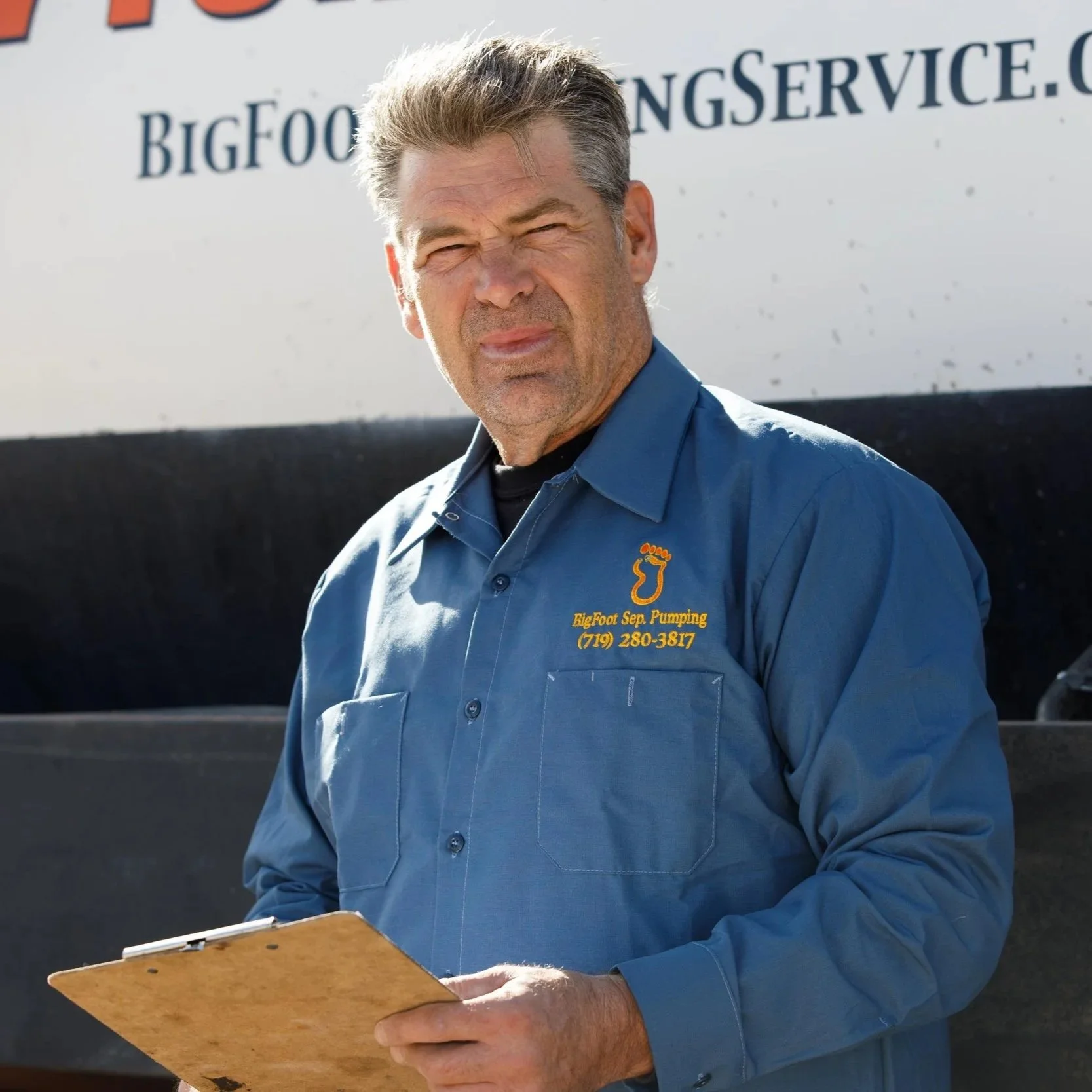
Holding tank pumping service at a rural property, safely removing stored wastewater to prevent overflow and protect surrounding land.
Rural properties often lack access to municipal sewer systems, making holding tanks a critical part of daily life. Homes, farms, ranches, remote businesses, construction sites, and seasonal properties rely on holding tanks to store wastewater safely until professional service removes it. Holding tank pumping supports sanitation, protects property, and maintains predictable wastewater management in locations where traditional sewer connections are not an option. When handled properly, holding tanks offer reliable performance even in the most remote settings.
Why Holding Tanks Are Common In Rural Areas
Many rural properties sit far from sewer infrastructure, and soil conditions sometimes limit the use of conventional septic systems. Holding tanks provide a practical alternative to dispersing wastewater into the ground. These tanks collect water from toilets, sinks, showers, and appliances, creating a sealed system that prevents contamination of surrounding soil and water sources. Holding tank pumping removes stored wastewater on a scheduled basis, allowing rural properties to function without relying on drain fields or complex treatment systems.
How Holding Tanks Differ From Septic Systems
Holding tanks store wastewater but do not treat or release it. Septic systems separate solids and allow liquids to drain into the soil, while holding tanks retain everything until it is pumped. That distinction makes regular service essential. Holding tank pumping keeps storage capacity available and prevents overflow. Professional service focuses on timely removal rather than treatment, making scheduling and monitoring especially important for rural property owners.
Common Uses For Holding Tanks In Rural Settings
Rural homes often use holding tanks when soil conditions or regulations prevent septic installation. Agricultural properties rely on them for worker facilities. Remote cabins and vacation homes benefit from holding tanks due to seasonal use patterns. Construction sites and temporary facilities also rely on holding tanks when sewer access is not available. Holding tank pumping adapts to these varied uses by adjusting service frequency based on occupancy, water usage, and access conditions.
Why Regular Holding Tank Pumping Matters
Skipping or delaying service leads to rapid problems. Tanks fill faster than many owners expect, especially during periods of increased use. Overflow creates health risks, environmental damage, and unpleasant cleanup situations. Holding tank pumping removes wastewater before capacity becomes an issue, protecting structures and surrounding land. Predictable service schedules reduce stress and prevent emergency calls that often cost more and arrive at inconvenient times.
Understanding Pumping Frequency For Rural Properties
Pumping frequency depends on tank size, occupancy, and water usage habits. Full-time residences typically require more frequent service than seasonal properties. Guest visits, family gatherings, or temporary workers increase demand quickly. Holding tank pumping schedules work best when based on real usage patterns rather than estimates. Professional providers help property owners determine realistic intervals that balance cost and reliability.
Signs A Holding Tank Is Near Capacity
Slow drains, gurgling sounds, or odors near fixtures often signal a full tank. Some systems include alarms that alert owners when levels rise. Outdoor signs may include wet ground near access points or unusual smells around the tank area. Holding tank pumping promptly addresses these warnings, preventing overflow and contamination. Ignoring early signs often leads to more serious issues that disrupt daily routines.
Health And Environmental Considerations
Wastewater stored in holding tanks contains bacteria and other contaminants that pose health risks if improperly released. Spills or overflows contaminate soil, groundwater, and nearby water sources. Holding tank pumping protects rural environments by keeping waste contained and removed in accordance with disposal regulations. Responsible service supports cleaner land and water while protecting households, livestock, and neighboring properties.
Rural Access Challenges And Professional Solutions
Rural locations often present access challenges. Long driveways, narrow roads, uneven terrain, and seasonal weather complicate service. Professional holding tank pumping providers plan for these conditions using specialized equipment and experienced operators. Reliable service accounts for access logistics, confirming tanks receive timely pumping regardless of location challenges.
Seasonal Use And Holding Tank Management
Many rural properties experience seasonal occupancy. Vacation homes, hunting cabins, and recreational properties may sit unused for months before seeing sudden demand. Holding tank pumping schedules must adjust to these patterns. Pre-season service prepares tanks for increased use, while post-season pumping prevents waste from sitting too long. Professional planning supports seasonal transitions without surprises.
Water Usage Habits That Affect Tank Capacity
Daily habits influence how quickly holding tanks fill. Long showers, frequent laundry, and water-intensive appliances accelerate capacity loss. Even moderate usage adds up quickly in storage-based systems. Holding tank pumping works best alongside mindful water management. Professional providers often offer practical guidance that helps extend the time between service visits without disrupting comfort.
Emergency Holding Tank Situations
Unexpected guests, equipment leaks, or weather events can overwhelm a holding tank faster than planned. Emergency holding tank pumping stabilizes conditions when tanks reach capacity unexpectedly. A quick response prevents overflows, property damage, and health risks. Routine maintenance reduces the likelihood of emergencies, but having access to a professional emergency service provides added peace of mind for rural property owners.
Compliance And Local Regulations
Many jurisdictions regulate the use and disposal of holding tanks. Regular pumping and proper documentation support compliance with local requirements. Inspectors may review service records, especially for rental properties or commercial rural sites. Holding tank pumping performed by licensed providers simplifies compliance and protects owners from penalties tied to improper waste handling.
Protecting Property Value In Rural Areas
Wastewater issues affect property value just as much as visible damage. Overflow incidents, odors, or contamination can leave a lasting impression on buyers and inspectors. Holding tank pumping protects property conditions and demonstrates responsible ownership. Consistent service supports long-term value and simplifies future transactions involving rural properties.
Holding Tanks For Agricultural And Working Properties
Farms and ranches often rely on holding tanks for worker housing, barns, or processing areas. Usage fluctuates with seasons and staffing levels. Holding tank pumping schedules adapt to these changes, preventing downtime during busy periods. Professional services support productivity and secure compliance without disrupting daily work.
Temporary And Mobile Applications
Construction projects, events, and temporary housing often depend on holding tanks for sanitation. These situations require flexible pumping schedules that respond to changing demand. Holding tank pumping supports temporary applications by providing reliable service without long-term infrastructure investment. Professional providers coordinate timing to match project timelines and occupancy levels.
Why Professional Service Matters For Holding Tanks
Holding tanks involve confined spaces, hazardous waste, and strict disposal requirements. Professional technicians follow safety standards and use specialized equipment. Holding tank pumping performed by trained providers protects owners from exposure risks and improper handling. Experience allows technicians to identify developing issues early and recommend adjustments before problems escalate.
Cost Control Through Predictable Pumping
Routine service stabilizes costs by preventing emergencies and cleanup expenses. Emergency pumping, spill remediation, and property damage quickly exceed routine service costs. Holding tank pumping spreads expenses predictably over time, supporting better budgeting for rural households and businesses. Predictable schedules reduce financial surprises tied to wastewater management.
Choosing A Holding Tank Pumping Provider
Reliable providers offer consistent scheduling, clear communication, and experience with rural access conditions. Local knowledge matters due to varying terrain and disposal regulations. Holding tank pumping providers familiar with rural properties deliver service designed to support remote locations without disruption. Building a relationship with a trusted provider simplifies long-term management.
Preparing For A Pumping Appointment
Simple preparation improves service efficiency. Clearing access routes, marking tank locations, and sharing usage changes help technicians work quickly. Weather conditions and terrain may require coordination. Holding tank pumping appointments run smoothly when owners communicate expectations and site conditions ahead of time.
Weather And Environmental Factors
Rain, snow, and freezing temperatures affect access and tank performance. Frozen ground complicates lid access, while heavy rain limits vehicle movement. Holding tank pumping providers plan around weather conditions and adjust service timing when needed. Professional planning reduces delays and prevents damage to the surrounding land during service.
Long-Term Planning For Rural Wastewater Needs
Rural properties benefit from proactive wastewater planning. Monitoring usage trends, adjusting pumping schedules, and budgeting for service keep systems reliable. Holding tank pumping fits into broader property management strategies that protect health, the environment, and investment. Long-term planning removes guesswork and supports consistent performance.
Why Holding Tanks Remain A Practical Solution
While holding tanks require regular service, they offer flexibility that other systems cannot. Remote locations, challenging soil conditions, and regulatory restrictions make holding tanks a reliable option. Holding tank pumping transforms storage-based systems into manageable, predictable solutions that support rural living without sacrificing sanitation or comfort.
Supporting Off-Grid and Remote Living
Off-grid homes and remote properties depend on simple, reliable infrastructure. Holding tanks provide that reliability when paired with professional pumping. Holding tank pumping supports sustainable remote living by safely and responsibly managing waste. Professional service allows property owners to focus on daily life rather than wastewater concerns.
The Value Of Consistent Maintenance
Consistency matters more than reacting to problems. Regular holding tank pumping keeps capacity available and systems stable. Preventative service reduces stress, protects property, and supports uninterrupted use. Reliable routines build confidence that wastewater management remains under control year-round.
FAQs
How often should holding tank pumping be scheduled for rural properties?
Pumping frequency depends on tank size, occupancy, and water usage. Many full-time residences require service every few weeks, while seasonal properties may need less frequent pumping based on use.
What happens if a holding tank overflows?
Overflow creates health risks, environmental contamination, and potential regulatory issues. Prompt holding tank pumping prevents these situations and protects property and the surrounding land.
Can holding tank pumping be done in remote or challenging-to-reach areas?
Professional providers use specialized equipment and planning to service rural and remote locations, even with challenging access conditions.
Do holding tanks require inspections during pumping?
Most pumping visits include basic observations of tank condition, access points, and capacity trends, helping identify issues early.
Are holding tanks a long-term solution for rural properties?
Holding tanks work well as long-term solutions when paired with consistent professional pumping and responsible water usage.